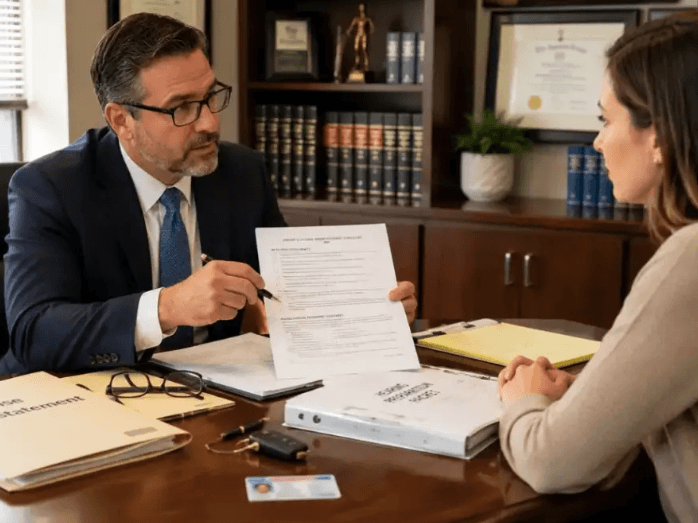
Losing your driving privileges can create serious challenges in both your personal and professional life. Whether your license was suspended or revoked because of multiple traffic violations, a DUI-related matter, unpaid obligations, or another issue, understanding how to restore your driving privileges is essential. A lawyer for license reinstatement Chicago residents can rely on can help explain the process, prepare the necessary documentation, and represent your interests when dealing with the Illinois Secretary of State.
Understanding License Suspension and Revocation
A suspended driver’s license and a revoked license are not the same. A suspension generally means your driving privileges are temporarily taken away for a specific period or until certain requirements are met. A revocation is typically more serious and may require you to complete a formal reinstatement process before you can legally drive again.
The reason behind the loss of your driving privileges can significantly affect your options. Some cases involve traffic-related offenses, while others may result from DUI convictions, insurance issues, failure to satisfy court requirements, or other violations. Because every situation is different, determining the exact reason for your suspension or revocation should be the first step.
Why Hire a Lawyer for License Reinstatement in Chicago?
The reinstatement process can involve complicated paperwork, deadlines, hearings, and supporting evidence. A mistake or incomplete submission may cause unnecessary delays. Working with a lawyer for license reinstatement Chicago drivers can provide professional guidance throughout the process.
An experienced attorney can review your driving history and identify the requirements that apply to your specific situation. They can also help determine whether you may qualify for reinstatement, prepare documentation, and explain what to expect during a hearing.
Legal representation can be particularly valuable when your case involves a revoked license or a history of serious driving offenses. Having an attorney who understands Illinois driver’s license procedures may help you approach the process in a more organized and informed manner.
Common Reasons for Losing Driving Privileges
Illinois drivers may face suspension or revocation for a variety of reasons. Some common circumstances include:
- DUI or alcohol-related driving offenses
- Multiple traffic violations
- Driving without required insurance
- Failure to appear in court
- Failure to satisfy certain court-related obligations
- Serious or repeated moving violations
- Other violations that result in action against driving privileges
The specific reinstatement requirements depend on the circumstances of your case. Before taking any action, it is important to understand your current license status and determine exactly what the state requires.
What Happens During the Reinstatement Process?
The process generally begins with reviewing your driving record and determining why your privileges were suspended or revoked. You may then need to complete specific requirements, provide documentation, pay applicable fees, or participate in a hearing.
For some drivers, reinstatement may be relatively straightforward. More complicated cases can require a formal hearing where you must demonstrate that you meet the applicable requirements for regaining your driving privileges.
A lawyer for license reinstatement Chicago residents choose should be familiar with the documentation and preparation involved in these proceedings. Your attorney can help you understand which records may be relevant and how your circumstances should be presented.
Preparing for a License Reinstatement Hearing
Preparation is one of the most important parts of a successful reinstatement effort. Depending on your circumstances, you may need to provide information regarding your driving history, employment, transportation needs, compliance with previous requirements, or other relevant factors.
An attorney can review your situation before the hearing and help you prepare for questions you may be asked. They can also identify potential weaknesses in your application and help you address them before appearing before the appropriate authority.
Being honest and providing accurate information is essential. Attempting to hide relevant details can create additional problems and potentially damage your credibility.
See also: Critical Asset Protection: Strategic Oil & Gas Security Solutions in Alberta
Choosing the Right Chicago License Reinstatement Lawyer
Not every driver’s license case is identical, so choosing an attorney with relevant experience matters. When comparing lawyers, consider their experience handling Illinois license suspension and revocation matters, their understanding of reinstatement hearings, and their ability to explain the process clearly.
You should also ask what documentation you may need, what potential challenges exist in your case, and what steps the attorney recommends taking next. A good lawyer should provide realistic information rather than promise a guaranteed result.
Take the Next Step Toward Reinstatement
Having your driving privileges suspended or revoked does not necessarily mean you will never be able to drive again. Depending on the circumstances, you may have a legal pathway toward reinstatement.
If you are searching for a lawyer for license reinstatement Chicago, getting professional advice early can help you understand your options and avoid unnecessary mistakes. An attorney can evaluate your circumstances, explain the applicable process, and help you prepare for the steps required to seek restoration of your driving privileges.
Before driving again, make sure your license has been officially reinstated and that you have satisfied all applicable requirements. Driving while your privileges remain suspended or revoked can lead to additional legal consequences.