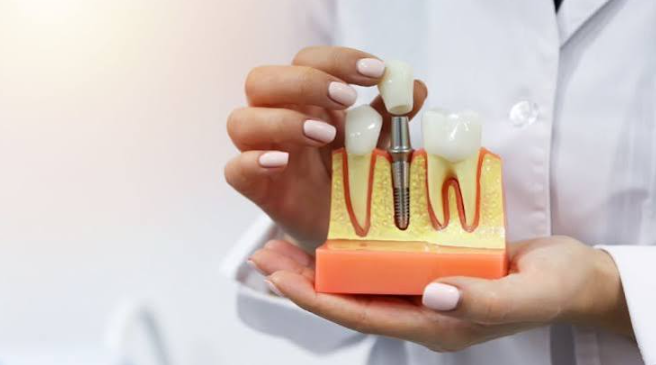
You may already be carrying a long dental history into this decision, and meeting with a dental implant dentist in Fresno can help you make sense of it. A tooth was pulled months ago, maybe years ago. You had a bone graft and were told to wait. Then life got busy, the area changed, or a denture stopped fitting the way it used to. By the time you start thinking about implants, it can feel like you are walking into the middle of a story without knowing what happened in the first chapter.
That uncertainty is real. Implant treatment after extractions and grafts is rarely a one size fits all process. Your dentist is not just looking at the empty space. They are judging how the bone healed, whether the gum tissue stayed stable, how your bite loads that area, and whether the old graft still gives enough support for a long lasting implant. The plan usually comes down to timing, bone quality, and the kind of restoration you need, whether that is a single tooth, an implant bridge, or care from a denture and implant dentist.
Previous extractions change the implant timeline
When a tooth is removed, the jawbone in that area starts to shrink. That does not mean implants are off the table. It means timing matters. Some people are candidates for immediate implant placement, where the implant goes in at or near the time of extraction. Others need a healing period first because of infection, thin bone walls, or soft tissue loss.
This is where many people get mixed messages. One office may say you need to wait, another may say you can move forward now. Both can be reasonable depending on what the scan shows. A socket that looks fine from the outside may have a missing facial bone wall, old inflammation, or a graft that healed unevenly. Dentists use imaging, probing, and bite analysis to decide whether the site is ready or whether pushing ahead would raise the risk of failure or poor esthetics.
Research on bone changes after tooth extraction and implant planning supports what patients often notice on their own. The ridge can narrow quickly, especially in the first months after removal. That is one reason dentists often recommend socket preservation grafting right after an extraction when future implants are likely.
Bone graft history affects implant stability and appearance
A prior graft is helpful, but it does not automatically mean the site is implant ready forever. Graft material, healing time, smoking, diabetes, clenching, and denture pressure can all affect the result. If you wore a removable denture over a grafted area, the pressure may have changed the shape of the tissue or slowed ideal healing. If the tooth was lost because of infection, the surrounding bone may have started from a weaker place.
That is why planning implant treatment after tooth extraction and bone grafting often includes a fresh CBCT scan instead of relying on old records. Your dentist needs to know how much living bone is present now, not just what was placed before. They also look at the width and height of the ridge, the position of nearby nerves or sinuses, and whether the gum line can support a natural looking result.
Studies on graft healing and implant site development show that healing is not just about filling a space. The final quality of the regenerated site matters because the implant has to integrate with bone and support function over time. A site can appear healed and still need contour grafting or soft tissue work before the final tooth is placed.
Implant planning after grafting is both surgical and restorative
People often think the hard part is getting the implant into the bone. In many cases, the harder part is placing it where the final tooth needs to be. If the implant angle is off, cleaning gets harder, the crown may look bulky, and biting forces can become uneven. That problem is more common when a site has changed after extraction or when old grafting did not fully preserve the original ridge shape.
This is where a dentist planning implants after extractions looks beyond the surgery itself. They map the final tooth position first, then work backward. A patient replacing a front tooth may need extra attention to gum symmetry and smile line. A patient replacing back teeth may need more focus on load distribution and space for the crown. Someone who has worn dentures for years may need a broader plan for arch support, not just one implant in one spot.
Practical factors shape the final treatment plan
| Situation | What the Dentist Evaluates | Common Planning Outcome |
|---|---|---|
| Recent extraction with preserved socket | Infection history, bone walls, gum thickness, bite forces | Implant placed sooner if the site is stable enough |
| Older extraction with ridge shrinkage | Width and height of remaining bone, esthetic needs | Additional grafting before implant placement |
| Previous bone graft months or years ago | Current bone quality on scan, tissue contour, denture pressure history | Proceed with implant or revise grafted site |
| Long term denture wearer | Bone loss pattern, stability of existing denture, full arch goals | Phased implant plan, often with prosthetic redesign |
Materials matter too. Modern regenerative and restorative options continue to improve how dentists rebuild and support these sites. The National Institute of Dental and Craniofacial Research outlines ongoing work in dental materials research, including materials used to support stronger, longer lasting dental treatment.
Clear next steps make implant care feel manageable
Get updated imaging. If your extraction or graft happened a while ago, ask for current 3D imaging. Old treatment notes cannot show what your bone looks like today. A present day scan gives the clearest picture of whether you need another graft, a sinus lift, or no extra surgery at all.
Ask for the sequence, not just the price. Many people hear a fee before they fully understand the steps. Ask what happens first, what has to heal, when the implant would be placed, and when the final tooth or denture would be delivered. That timeline tells you more than a single number ever will.
Choose a plan built around the final restoration. Whether you need one implant or broader implant care, the end result should drive the surgery. Ask how the implant position supports chewing, cleaning, speech, and appearance. That is especially important if you are replacing a visible tooth or converting from a removable denture.
You do not need to have every answer before you schedule a consultation. You just need a clear look at what healed, what changed, and what will support a stable result now. Good planning turns a confusing dental history into a workable path forward, and that is often the point where the stress starts to ease.
If you are considering care with a denture and implant dentist, ask for a treatment plan that accounts for every extraction, graft, and healing stage that came before. The right plan is not rushed. It is built around where your mouth is today and where you want it to function tomorrow.