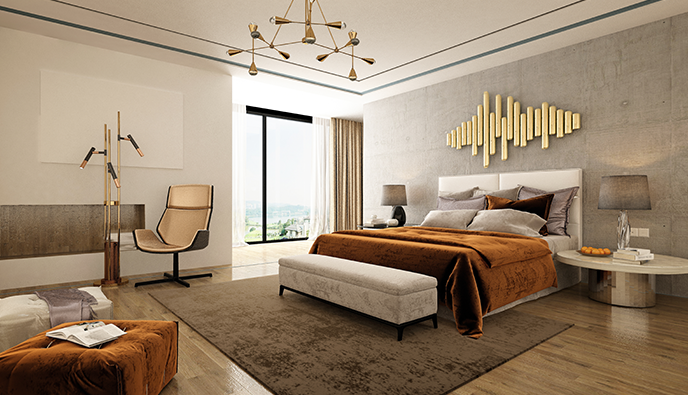
A calm, cohesive color and texture palette anchors the bedroom, while layered lighting defines mood and function. Practical storage options keep surfaces clear, yet hidden compartments preserve openness. Bedding should offer warmth and tactility, with subtle accents that avoid visual noise. The design emphasizes restraint and accessibility, balancing form with daily comfort. This approach invites closer consideration of how lighting, texture, and storage interact to create a serene retreat—and what adjustments might unlock that potential.
Create a Calming Color and Texture Palette
A calming color and texture palette begins with selecting muted, cohesive tones and tactile surfaces that promote relaxation. The approach evaluates hue harmony, material resonance, and restraint, seeking a calm continuum rather than distraction. Calm surfaces enable texture pairing across textiles and finishes, while a calming palette anchors mood. Practical choices support freedom without visual noise, enhancing restful space quality.
Optimize Lighting for Mood and Function
How can lighting be orchestrated to balance mood with everyday usability? The approach analyzes layered illumination, balancing soft lighting for ambiance with focused task zoning for practical needs. Aesthetic precision guides fixture placement, dimmable controls, and color temperature choices. The result supports relaxation and daily routines, encouraging freedom and choice while ensuring clarity, efficiency, and visual comfort.
Maximize Storage Without Visual Clutter
Building on the emphasis on layered lighting, the focus shifts to storage strategies that maintain a clean, open visual field while preserving daily practicality. The approach prioritizes maximize storage through hidden compartments and wall mounted shelving, ensuring functional space without visual noise. Thoughtful organization minimizes clutter, supporting freedom of movement and serene aesthetics, while preserving accessibility and adaptable design across rooms.
Layer Comfort Through Bedding and Small Touches
Layering bedding and small touches creates a tactile hierarchy that enhances comfort without sacrificing visual calm. The approach favors cohesive, cozy layers achieved through tactile fabrics, varied textures, and measured ambient lighting. Practical choices include selecting durable textiles and color-anchored palettes, while hidden storage under beds or benches maintains restraint. The result blends comfort with freedom, reducing clutter and elevating everyday serenity.
Frequently Asked Questions
How Do I Choose Colors for a Small Bedroom?
Color choices for a small bedroom rely on color psychology to evoke space and mood, while lighting strategies amplify perception; he/she analyzes palettes, balances warm and cool tones, and favors neutrals with purposeful accent colors for freedom and clarity.
What Are Budget-Friendly Sourcing Ideas for Textures?
Budget textures can be pursued through thrift stores, DIY fabric scraps, and nature-inspired layers; sourcing hacks emphasize upcycling, minimal waste, and telegraphic procurement. The analytical approach weighs aesthetics against practicality, delivering affordable, liberating texture solutions for the space.
Which Plants Thrive in Low-Light Bedrooms?
Spider plants and pothos adapt well to low light, making them suitable for low-light foliage in bedrooms; they require moderate irrigation and occasional pruning, supporting bedroom greenery while maintaining a relaxed, aesthetically pleasing atmosphere for freedom-seeking occupants.
How Can I Prevent Glare From Screens at Night?
Overcoming skepticism, glare reduction techniques can effectively minimize screen glare; night friendly lighting supports restful viewing. The approach blends analytical assessment with aesthetic practicality, offering freedom-oriented readers practical, scalable strategies for comfortable, distraction-free nightly screen use.
See also: The Future of Robotics Technology
What’s the Best Rug Size for a Cozy Feel?
The best rug size for a cozy feel favors extending under the bed or centered to define a small bedroom, creating a cohesive space; choosing colors enhances warmth, while a larger rug improves proportion and comfort for a freedom-seeking audience.
Conclusion
A calm bedroom emerges when color, texture, and light align with purpose. In one home, a restrained palette and hidden storage transformed a cluttered corner into a serene retreat; a single bamboo tray atop a low shelf became the ritual focal point for organizing daily items, illustrating order as design. Data from mood studies show quieter spaces reduce cognitive load by 20%, underscoring how layered lighting and soft textures support restful, practical living while preserving visual calm.