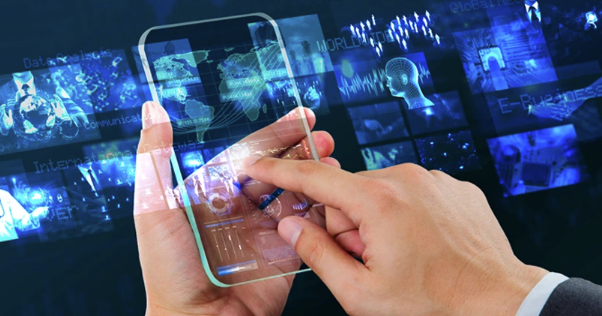
The future of mobile connectivity is marked by significant technological advancements. 5G technology promises enhanced speeds and lower latency, fundamentally altering user experiences. Meanwhile, artificial intelligence will optimize network performance, tailoring connectivity to individual needs. As the Internet of Things expands, an intricate web of interconnected devices will reshape interactions. However, the integration of edge computing raises questions about data processing and security. What implications will these developments have for society at large?
The Rise of 5G and Its Impact on Connectivity
What drives the rapid adoption of 5G technology, and how does it fundamentally alter the landscape of mobile connectivity?
The technology facilitates extensive network expansion and heralds unprecedented speed improvements.
This transformation empowers users with enhanced data capabilities, fostering innovation across various sectors.
As 5G reshapes connectivity, it promises greater freedom, enabling seamless interactions and paving the way for advanced applications and services.
The Role of Artificial Intelligence in Mobile Networks
As 5G technology expands, the integration of artificial intelligence (AI) in mobile networks is becoming increasingly significant.
AI optimization enhances network automation, allowing for real-time adjustments that improve user experience.
Moreover, predictive maintenance powered by AI can foresee potential failures, reducing downtime and operational costs.
This synergy between AI and mobile networks promises a more efficient, responsive, and user-centric connectivity landscape.
The Internet of Things: Connecting Our World
While the concept of the Internet of Things (IoT) has existed for decades, its rapid evolution and integration into daily life have transformed how devices communicate and interact.
Smart homes utilize interconnected appliances to enhance convenience and efficiency, while wearable technology empowers users with real-time health monitoring.
This synergy fosters a liberated lifestyle, allowing individuals to seamlessly integrate technology into their daily routines, enhancing autonomy and connectivity.
See also: readsblogs
Edge Computing and Its Benefits for Mobile Users
How can edge computing enhance the mobile user experience in an increasingly connected world?
By leveraging edge advantages, mobile users can benefit from significant latency reduction, enabling faster data processing and real-time analytics.
This decentralized approach minimizes reliance on distant servers, enhancing application responsiveness and reliability.
Ultimately, edge computing empowers users with seamless connectivity, fostering an environment that prioritizes efficiency and user autonomy.
Conclusion
As the dawn of advanced mobile connectivity approaches, the fusion of 5G, artificial intelligence, and the Internet of Things will weave a intricate tapestry of seamless interactions. This digital symphony will empower users, transforming daily routines into a ballet of efficiency and autonomy. With edge computing acting as the conductor, real-time data processing will elevate experiences to new heights, shaping a future where connectivity is not merely a utility, but a vibrant lifeline in an increasingly interconnected world.