Moving into a new home offers an opportunity to create an interior that reflects personal preferences and practical requirements. Flooring is one of the first decisions homeowners need to make because it influences furniture selection, room comfort, and the overall design. Carpet remains an appealing option for many residential spaces because it adds softness, warmth, and visual character.
However, selecting a carpet should not be the only priority. The installation process, material quality, floor preparation, and future maintenance also deserve attention.
Planning Your Flooring Before Moving In
Planning flooring installation before moving furniture into a property can make the entire process easier. Empty rooms provide installers with better access to corners, doorways, and the full floor surface.
Homeowners should first determine which rooms will receive carpeting. Bedrooms, family rooms, staircases, and selected living areas may all benefit from different carpet styles.
Before ordering materials, it is helpful to measure every room carefully. Doorways, built-in wardrobes, alcoves, and unusual corners should be included in the planning process.
Professional Carpet installation can help homeowners manage these requirements through accurate measurements, suitable fitting methods, and appropriate finishing techniques.
Selecting Carpet Materials for Residential Use
Carpet materials influence softness, appearance, durability, and cleaning requirements. Wool is often appreciated for its natural texture and luxurious feel. Nylon is commonly considered for areas where resilience and resistance to everyday wear are important.
Polyester offers a variety of colours and textures and may be suitable for selected residential applications. The best option depends on the room’s intended use, household activities, and available budget.
Homeowners should also compare pile styles. Cut-pile carpets generally have an upright fibre appearance, while loop-pile designs create a different texture and may be appropriate for certain busy areas.
Understanding the Role of Carpet Underlay
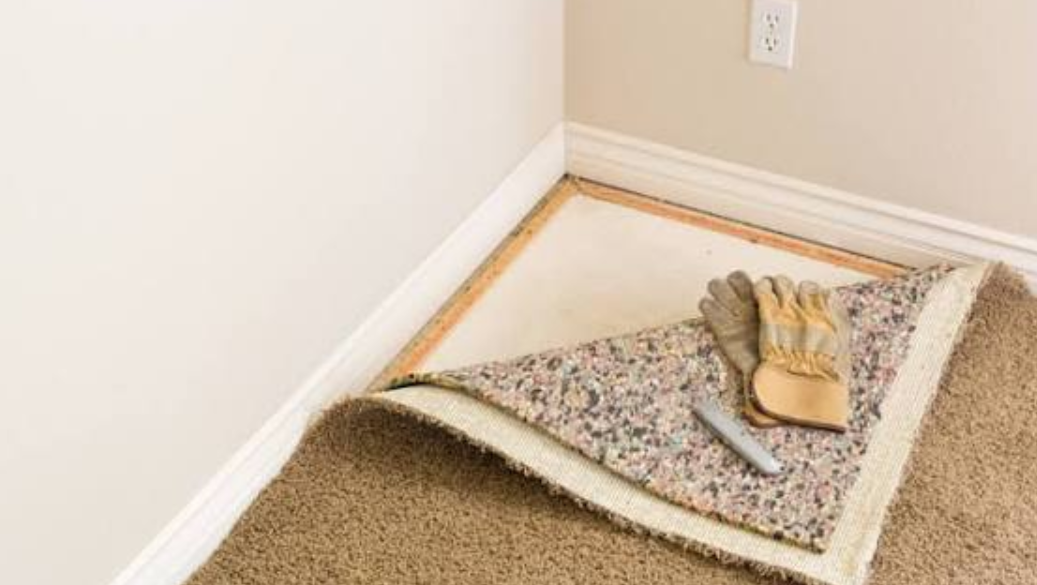
Underlay is an important component of many carpet installations. It sits beneath the carpet and can influence comfort, support, insulation, and the overall feel underfoot.
The correct underlay should be compatible with the selected carpet and installation method. Thickness, density, and material construction are important considerations.
Choosing unsuitable underlay may affect the carpet’s performance or installation quality. It is therefore sensible to follow product recommendations rather than selecting underlay based on thickness alone.
Preparing the Subfloor Properly
A clean and suitable subfloor provides the foundation for a successful carpet installation. Dust, debris, loose materials, and uneven sections should be inspected before fitting begins.
Concrete floors may require different preparation from timber subfloors. Any moisture concerns should also be assessed before new materials are installed.
Proper preparation helps prevent problems such as uneven surfaces, poor adhesion, and premature wear. It can also make the finished carpet look more professional.
Choosing the Right Carpet Colour
Carpet colour influences the appearance of an entire room. Light shades can create an open and welcoming atmosphere, while darker tones may provide a more dramatic appearance.
Neutral colours are popular because they work with different furniture styles. Beige, cream, taupe, and grey can complement modern and traditional interiors.
Homeowners should examine carpet samples under the actual lighting conditions of their property. Artificial lighting and natural daylight can make the same colour appear noticeably different.
Professional Carpet Installation in Dubai Homes
Residential properties in Dubai range from compact apartments to spacious villas. Each property presents different installation requirements, particularly when dealing with multiple rooms, staircases, or unusual floor layouts.
Choosing reliable Carpet installation dubai services can help homeowners plan the installation according to their property and preferred carpet style.
Professional installers can inspect the floor, recommend suitable fitting methods, calculate material requirements, and complete the finishing around walls and doorways.
Protecting Your New Carpet
After installation, homeowners should follow appropriate maintenance practices. Vacuuming regularly helps remove dust and particles that may accumulate in carpet fibres.
Heavy furniture should be moved carefully to prevent damage. Furniture protectors can help distribute weight and reduce visible indentations.
Spills should be cleaned using suitable methods for the carpet material. Strong chemicals and excessive moisture should be avoided unless recommended by the manufacturer.
Conclusion
Installing carpet in a new home requires thoughtful decisions about material, colour, underlay, preparation, and fitting techniques. Planning these details before moving furniture into the property can simplify the process and improve the final appearance. With professional installation and consistent maintenance, carpets can contribute to a comfortable and attractive home environment.