You want your dog to run, jump, train, and enjoy the work or sport they love, but there is always that quiet worry in the background. A North West San Antonio veterinarian knows that a dog can look eager and strong, then strain a shoulder on a hard turn, come up sore after a long hike, or push through pain because that is what driven dogs often do. That is usually why owners ask about How General Veterinarians Evaluate Dogs Before Sports Or High Activity Programs before they commit to agility, flyball, dock diving, field work, canicross, or a tougher exercise plan.
A general veterinarian is often the first and best place to start. The goal is not to “clear” a dog with a quick glance. It is to catch small problems before they become expensive injuries, to match activity to age and body condition, and to build a safer plan for conditioning. Pre-sports veterinary exams for dogs help uncover joint pain, heart or breathing concerns, weight issues, weak muscle groups, and movement patterns that can put extra stress on the body.
General veterinarians look for hidden limits before activity gets intense
Most active dogs do not announce a problem in a dramatic way. They shorten stride a little, sit crooked, hesitate on stairs, or need longer to recover after play. You may have noticed something small and then talked yourself out of it because your dog still wants to go. That is common. Drive and pain tolerance can hide trouble for a long time.
A general veterinarian usually starts with history. Age matters. Breed matters. The kind of sport matters. A young Labrador starting dock diving has different risks than a senior Border Collie returning to agility, and both differ from a mixed breed beginning a long-distance running program. Your vet will ask about prior injuries, current medications, stamina, recovery time, heat tolerance, paw wear, and any change in behavior after exercise.
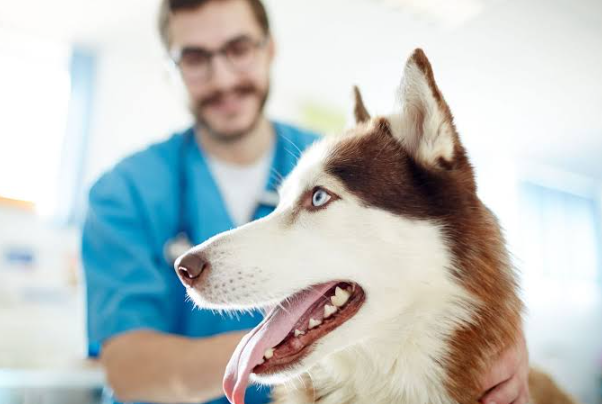
The physical exam does more than confirm that your dog seems healthy. Your vet checks heart and lung sounds, body condition, hydration, nail and paw health, spinal comfort, joint range of motion, and muscle symmetry. They often watch your dog walk and trot because gait can reveal subtle weakness or discomfort. A dog sports health assessment may also include palpation of shoulders, hips, knees, wrists, and lower back, since these areas take repeated stress in many canine sports.
If something seems off, your vet may recommend more testing before the activity level rises. That can include X rays, bloodwork, or referral for rehab or sports medicine. Specialty programs at places like Cornell Sports Medicine and Rehabilitation, Ohio State Canine Sports Medicine and Physical Rehabilitation, and University of Minnesota Canine Sports Medicine show how much careful screening and conditioning matter for active dogs.
Small issues become bigger when dogs train hard without screening
The hard part is that many injuries do not start with one dramatic event. They build from repetition. A dog with extra weight lands harder. A dog with weak core muscles twists more through the spine. A dog with mild hip discomfort may overload the front end and then develop shoulder strain. Once training volume increases, those weak links get exposed fast.
This is where owners often feel stuck. You do not want to hold your dog back for no reason, but you also do not want to ignore signs that could lead to months of rest, rehab bills, and frustration. A general veterinarian helps sort that out. They can tell you whether your dog is ready now, needs conditioning first, or needs diagnostics before any serious program begins.
That guidance also protects your budget. Preventive evaluation costs far less than treating a torn nail bed, chronic iliopsoas strain, cruciate injury, or heat related collapse after a rushed start. It also protects your dog’s confidence. Dogs that get hurt early can become hesitant, reactive around equipment, or inconsistent in performance.
Practical considerations before starting a high activity program
| Factor | Starting without a veterinary check | Starting after a general veterinarian evaluation |
|---|---|---|
| Hidden pain or joint limits | Often missed until training intensity rises | More likely to be found during exam, gait review, or follow up testing |
| Conditioning plan | Based on enthusiasm, not physical readiness | Adjusted for age, weight, breed, and prior injury history |
| Injury risk | Higher if weakness, obesity, or poor mechanics are present | Lower when limits are identified early and workload builds gradually |
| Costs over time | Can rise quickly with diagnostics, rehab, and missed training | Usually more predictable with preventive care and monitoring |
| Performance and recovery | Dog may fatigue, compensate, or lose confidence | Dog is more likely to progress steadily and recover well |
Research and clinical practice in canine sports medicine keep pointing to the same truth. Conditioning, weight control, and early detection of orthopedic problems shape both safety and performance. That is why a canine fitness evaluation before sports is not just for elite competition dogs. It helps family dogs starting high mileage hikes, weekend running partners, and young dogs entering beginner classes.
Three steps you can take before your dog starts training hard
Book a baseline exam with your general veterinarian. Tell the clinic exactly what your dog will be doing, how often, on what surface, and at what intensity. “More exercise” is too vague. Agility on turf, road running, and dock diving place very different demands on the body.
Track subtle signs for two weeks. Watch how your dog rises from rest, uses stairs, turns tightly, lands after jumping, and recovers the next day. Note any limping, toe dragging, bunny hopping, slowing down, or change in attitude. Bring videos if you can. Owners often capture details that a short clinic visit cannot.
Build fitness before skill work gets serious. Even if your dog is healthy, that does not mean conditioned. Ask your vet about safe weight goals, warm up routines, rest days, nail and paw care, and whether rehab exercises would help. Basic strength and endurance work often prevent the setbacks that come from doing too much too soon.
A safer start gives your dog a better chance to stay active
You are not being overprotective by asking for a veterinary check before sports or a high activity plan. You are paying attention, and dogs do better when someone notices the small things early. A general veterinarian can spot concerns, guide conditioning, and help your dog start strong instead of starting hurt.
If your dog is getting ready for a demanding routine, schedule a visit with a general veterinarian and ask for an activity focused evaluation before training ramps up.