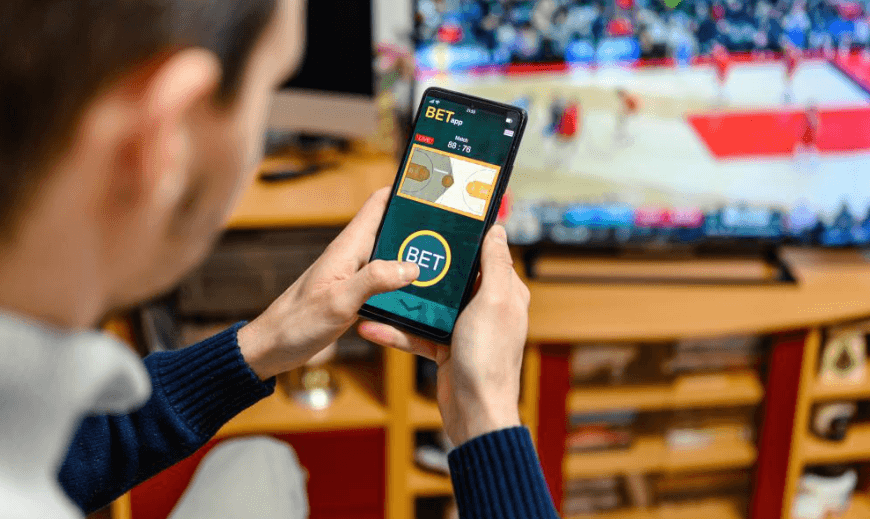
Online betting has a short memory. What felt cutting-edge five years ago now looks slow, clunky, and weirdly formal. The industry keeps rewriting itself because it has to. Phones changed habits, payments got faster, and players stopped tolerating friction.
Curiosity is part of the engine too. Anyone scanning what modern platforms look like can read more and see the direction clearly: less “website with odds,” more “always-on product” built around speed, simplicity, and constant nudges.
Betting isn’t just about odds anymore, it’s about time
The biggest evolution isn’t a new sport or a flashy bonus. It’s pacing.
Old-school betting was a wait-and-see routine. Place a wager, watch the match, check the result later. Now the expectation is instant feedback. Live odds refresh constantly. Cashout buttons appear mid-game. Micro markets settle in minutes. Some formats don’t even require a match to end.
That shift matters because it fits modern attention. People don’t schedule a betting session the way they used to. They dip in, place something quick, and move on. Or at least that’s the plan.
What changed behind the scenes
Operators redesigned products around “short sessions” and “fast outcomes.” That’s why so many apps feel like they were designed by people who build mobile games, not by people who build financial tools. It’s entertainment with a wallet attached.
Mobile-first isn’t a feature, it’s the baseline
Desktop betting hasn’t disappeared, but the centre of gravity is mobile. Betting apps are competing with everything else on a phone, social, streaming, shopping, messaging. If the experience is slow or confusing, users bounce.
Modern mobile betting has improved in places players actually notice:
- Faster sign-up flows and clearer verification steps
- Cleaner interfaces that don’t feel like spreadsheets
- Payment systems that work in real life, not just in ideal conditions
- Push notifications timed to pull users back at the right moment
The last point is doing a lot of work. Notifications can be useful. They can also become pressure. That line is thin, and it’s not an accident.
Live betting made sports interactive
In-play betting didn’t just add more markets. It changed how sports are consumed.
A match becomes a series of moments: next goal, next wicket, next card, next corner. Odds react instantly. The app keeps feeding choices. Watching turns into decision-making, and the product is designed to make that feel natural.
There’s a reason live betting keeps growing. It matches how people already behave with live content. Real-time updates, constant checking, quick reactions. Sports broadcasts are already built for momentum. Betting apps simply plugged into it.
The rise of micro markets and quick-settle bets
Micro betting is basically the logical next step. Players don’t want to wait two hours for a result, especially casual users. So platforms offer smaller outcomes that settle fast.
This is where betting starts to resemble gaming loops: action, decision, outcome, repeat. It’s satisfying, and it’s risky for the same reason. Fast cycles are easy to overdo.
Casino and sportsbook are blending into one feed
Another big change is the collapse of categories. Many platforms now treat casino games, live dealer tables, and sports betting as one ecosystem. One wallet, one loyalty program, one promo engine.
That creates cross-traffic. A sports bet is placed and there’s downtime? The app offers a quick casino game. A slot session ends? A boosted odds offer appears. The user never has to leave the app, which is the whole point.
From the player side, it’s convenient. From the operator side, it’s retention.
Personalisation is quietly running the show
Betting apps now behave like content platforms. They learn what users click, how they deposit, what time they play, which sports they follow, and how long they stay. Then they shape the homepage accordingly.
Personalisation reduces choice overload. Instead of a giant menu, users see a curated set of markets and games. That feels helpful. It also removes pauses, and pauses are where people reconsider.
A good rule for readers: personalised betting feeds are not neutral. They are designed to increase activity.
Payments got smoother, and trust followed
If a platform can’t handle payments cleanly, nothing else matters. The industry learned that the hard way. Faster deposits brought growth, but faster, predictable withdrawals built loyalty.
Players now expect:
- Local payment options that feel normal
- Clear minimum and maximum limits
- Withdrawal timeframes stated as real ranges, not “instant”
- Transaction history that reads like a receipt, not a mystery
Payment improvements also changed the audience. When deposits and withdrawals feel as easy as any other app transaction, more casual users try betting without feeling like they’re entering a complicated system.
Regulation and compliance pushed the product to grow up
In many markets, rules are tightening or becoming clearer. It’s uneven, but the direction is obvious: more KYC, more anti-fraud checks, more responsible gambling requirements.
That creates friction, but it also raises the baseline. Better-run platforms tend to:
- Explain verification steps upfront
- Provide clearer dispute processes
- Offer account security tools like 2FA and device management
- Reduce the number of outright scam operations on the margins
No system is perfect, but regulated environments tend to punish the worst behaviour faster.
Responsible gambling tools are becoming real product features
For years, “play responsibly” was mostly a footer slogan. Now it’s turning into actual design: deposit limits, time reminders, cooling-off periods, self-exclusion, and more visible warnings.
That’s partly regulation, partly business sense. Burned-out users don’t stay customers. Platforms want long-term retention, which means keeping players from spiralling too hard.
Still, tools only help if they’re used. A practical approach for any bettor is to set limits before a session starts, not after emotions have taken over.
Content and community are now part of the betting funnel
Betting used to be private. Now it’s social.
Friends share picks in group chats. Tipsters build audiences. Streamers discuss odds like it’s match analysis. Some platforms even build in leaderboards, community challenges, or social features.
This visibility normalises betting. It also reduces the barrier for newcomers. When betting becomes part of the conversation around a match, trying it feels less like a “big step” and more like joining in.
What’s next: where evolution is heading
The next stage of online betting looks fairly predictable, even if the details vary by region.
Expect more of this
- More live formats and faster-settling markets
- More personalisation and feed-style home screens
- More game-show style casino content and live dealer production
- Tighter identity checks and more automated fraud detection
- Deeper integration with streaming, stats, and second-screen viewing
And more pressure on transparency
Players are also getting sharper. They compare odds, question bonus terms, and talk publicly about payout delays. Platforms that hide behind vague language get called out faster than before.
How to keep up as a player without getting played
The industry evolves quickly, but the basics still protect people. Two short checklists can save time and money.
Key checks before committing to a platform:
- Clear licensing and operator details
- Withdrawal rules that include timeframes, limits, and fees
- Bonus terms that are readable, especially wagering and max bet rules
- Real customer support that answers specific questions
- Account security options like 2FA
Habits that keep betting under control:
- Set a budget and a time limit before opening the app
- Avoid chasing losses with bigger stakes, it’s the oldest trap in the book
- Treat bonuses like contracts, not gifts
- Use responsible gambling tools if they exist, because they exist for a reason
Bottom line
Online betting continues to evolve because it’s chasing modern behaviour: mobile-first sessions, instant feedback, personalised feeds, smoother payments, and entertainment-style design. The apps are getting better at being “easy,” which is exactly why players need to stay a little disciplined.
The future will bring more live content, more micro markets, and more social influence. The smartest move is not resisting the trend or blindly trusting it. It’s recognising that convenience is the product, and knowing when to step back before the product decides the pace.