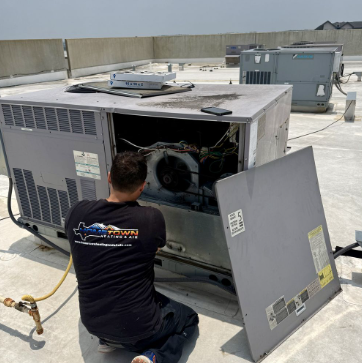
Austin, Texas, is known for its warm climate, long summers, and changing weather conditions. With temperatures often reaching uncomfortable levels, a dependable heating and cooling system is essential for homes and businesses. Whether you need a new installation, routine maintenance, or emergency repairs, choosing the right HVAC in Austin can make a significant difference in indoor comfort, energy use, and overall system performance.
Why HVAC Systems Matter in Austin
Austin’s climate places considerable demand on air conditioning systems. During the summer months, an HVAC unit may operate for extended periods to keep indoor spaces comfortable. Constant operation can increase energy consumption and put additional stress on components.
A properly maintained HVAC system can provide consistent temperatures while helping homeowners avoid unnecessary energy waste. Professional installation and regular inspections can also identify developing problems before they become expensive repairs.
Because Austin can also experience cooler temperatures during winter, a complete HVAC system should provide both efficient cooling and reliable heating. Selecting equipment that suits your property’s size and specific needs is an important part of maintaining year-round comfort.
See also: Why Professional Appliance Repairs Matter for Brisbane Homes
Common HVAC Services in Austin
Professional HVAC companies generally offer a wide range of services designed to keep heating and cooling equipment operating efficiently. Some of the most common services include:
Air Conditioning Repair
A malfunctioning air conditioner can quickly become a major problem during an Austin summer. Common warning signs include weak airflow, unusual sounds, unpleasant odors, inconsistent cooling, and frequent cycling.
An experienced technician can inspect the system, identify the source of the issue, and recommend an appropriate repair. Addressing smaller problems quickly may help prevent additional damage to expensive components.
HVAC Installation
When an existing system becomes outdated or repeatedly requires repairs, replacement may be a more practical option. A professional HVAC installation involves more than simply selecting a new unit.
Technicians consider factors such as property size, insulation, airflow, existing ductwork, and energy requirements. Correct sizing is particularly important because an oversized or undersized system may struggle to maintain comfortable temperatures efficiently.
Preventive HVAC Maintenance
Regular maintenance is one of the simplest ways to protect an HVAC investment. A professional maintenance visit can include inspecting electrical connections, cleaning components, checking refrigerant levels, examining filters, and evaluating overall system performance.
Routine service can improve reliability and may help extend the useful life of HVAC equipment. Homeowners can also contribute by replacing or cleaning air filters according to the manufacturer’s recommendations.
Choosing the Right HVAC Company in Austin
With many HVAC providers serving the Austin area, selecting a reliable company requires some research. Start by looking for a contractor with appropriate licensing, experience, and a strong reputation.
Customer reviews can provide useful information about communication, workmanship, punctuality, and customer service. It is also helpful to ask whether the company provides written estimates before beginning major work.
A dependable HVAC professional should explain the problem clearly rather than immediately recommending an expensive replacement. When replacement is necessary, the contractor should explain available options and help you understand differences in efficiency, features, warranty coverage, and expected operating costs.
Improving HVAC Efficiency
Energy efficiency is an important consideration for Austin homeowners because air conditioning can account for a substantial portion of household energy use. Several simple steps can help an HVAC system operate more effectively.
First, keep air filters clean and replace them when necessary. Dirty filters can restrict airflow and force the system to work harder. Next, make sure vents and registers are not blocked by furniture or other objects.
Sealing air leaks around doors and windows can also reduce the amount of conditioned air escaping from the home. Proper insulation, especially in the attic, can further help maintain indoor temperatures.
Smart thermostats are another option for homeowners who want greater control over their HVAC schedules. Adjusting temperature settings when nobody is home can reduce unnecessary system operation.
When Should You Replace Your HVAC System?
Every HVAC system eventually reaches the end of its useful life. Frequent breakdowns, rising energy bills, inconsistent temperatures, excessive noise, and expensive repairs can all indicate that replacement should be considered.
A newer system may offer improved efficiency, quieter operation, and modern temperature-control features. However, replacement should be based on the condition of the existing equipment and the long-term costs involved rather than age alone.
A qualified HVAC technician can evaluate the system and explain whether repair or replacement makes more financial sense.
Year-Round Comfort Starts With Professional HVAC Care
Living in Austin means dealing with demanding weather conditions, making a dependable HVAC system more than a convenience. It is an important part of maintaining a comfortable and healthy indoor environment.
From emergency air conditioning repairs to complete system replacements and preventative maintenance, professional HVAC services can help homeowners keep their equipment operating reliably. By choosing an experienced contractor, scheduling regular maintenance, and paying attention to early warning signs, you can improve comfort while potentially reducing unnecessary energy expenses.
If you’re searching for HVAC in Austin, focus on a provider that combines quality workmanship, transparent pricing, responsive service, and knowledge of the local climate. The right HVAC professional can help ensure your heating and cooling system is prepared to handle Austin’s changing temperatures throughout the year.