You are not just picking a dentist anymore. You are trying to find care that feels less stressful, less painful, more precise, and more suited to your life. If you have put off a cleaning because of anxiety, delayed a cosmetic fix because you worried about cost, or wondered whether newer tools actually make treatment better, that tension is real. Dental care has changed, and the change is not only about looks. It is about comfort, trust, time, getting results that fit your face and your health, and exploring options for replacing missing teeth in Redwood City.
The future of family and cosmetic dentistry is moving toward three clear goals. Care is becoming more digital, more comfortable, and more personal. That affects everything from exams and clear aligners to crowns, whitening, and long term prevention. The best part is that technology is starting to reduce some of the friction people have felt for years, including fear, guesswork, and repeat visits.
Modern family and cosmetic dental care is becoming more personal
A lot of people still carry an old picture of dentistry in their heads. Cold tools. Messy impressions. Long appointments. Unclear treatment plans. That picture keeps people away, even when they want help. For families, the challenge is often time. For cosmetic patients, it is often uncertainty. You want to know what is necessary, what is optional, what it will feel like, and whether the result will look natural.
That is where personalization matters. Digital records, intraoral scanning, better imaging, and treatment planning software are making it easier to tailor care to the person in the chair. A child who needs a gentle first visit, a parent managing gum health, and an adult considering veneers or aligners do not need the same approach. They need care that matches their age, goals, bite, habits, and budget.
This matters because oral health is tied to daily life in ways people feel but do not always name. Pain changes sleep. Missing teeth affect eating and confidence. Gum problems can build quietly for years. The National Institute of Dental and Craniofacial Research outlines in its oral health in America summary just how deeply oral health connects to overall well being and access to care.
Technology is reducing guesswork in general and cosmetic dentist services
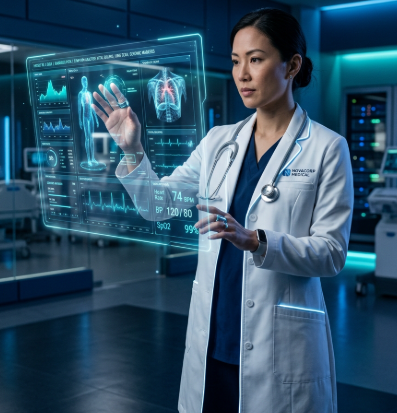
Newer dental technology is not there to impress you. It should solve a problem. Digital scans can replace traditional impressions in many cases, which means less mess and often better accuracy. 3D imaging can help dentists evaluate tooth position, bone, and bite with more detail. Shade matching tools can improve cosmetic work so restorations blend better with your natural teeth. Same day or faster turnaround workflows can shorten the time between diagnosis and treatment.
That precision matters most when the stakes feel personal. If you are investing in a crown, bonding, whitening, or aligners, you do not want a rough estimate. You want a plan you can see and understand. In many practices, smile design tools and digital mockups help patients preview cosmetic changes before treatment begins. That does not guarantee perfection, but it does reduce surprises.
Clear aligners are a good example of where convenience and oversight need to stay connected. The FDA explains on its page about clear dental aligners that these devices still require proper evaluation and monitoring. Straightening teeth is not just a cosmetic move. It can affect bite, roots, and gum health. That is why professional supervision matters, even when the marketing makes it look simple.
Comfort in cosmetic dental treatment now goes beyond pain control
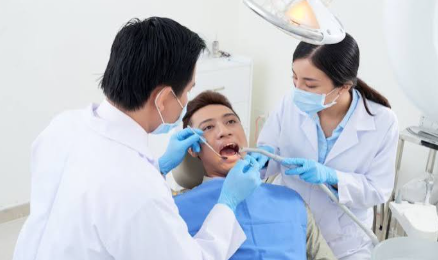
When people say they want a more comfortable dental visit, they usually mean more than numbness. They mean fewer unknowns, less waiting, less noise, less embarrassment, and more control. Comfort now includes communication, sensory experience, and pacing. A patient with dental anxiety may need shorter visits, clear explanations, and a slower start. A busy parent may need efficient scheduling and fewer return trips. Someone seeking cosmetic work may need reassurance that the result will not look obvious or artificial.
Research has also been paying closer attention to how patient centered care affects outcomes and satisfaction. A review available through PubMed Central highlights how digital tools, communication, and tailored treatment planning are shaping a more individualized patient experience. That shift helps people feel less like they are being processed and more like they are being heard.
Comparing convenience and risk in modern dental options
| Option | Main Benefit | Main Risk or Limitation | Best Fit |
| At home whitening kits | Lower upfront cost and convenience | Uneven results, tooth sensitivity, limited stain removal | Mild surface stains and realistic expectations |
| Professional whitening | Stronger, more controlled results | Higher cost and possible temporary sensitivity | Patients wanting faster and more even whitening |
| Mail order aligners | Remote convenience | Reduced clinical oversight, may miss bite or gum issues | Very limited cases, if approved by a licensed professional |
| In office clear aligner treatment | Monitoring, adjustments, full exam and imaging | More appointments and higher cost | Patients needing safer, more customized tooth movement |
| Traditional impressions | Widely available | Messy, less comfortable, may need retakes | Cases where digital scanning is not available |
| Digital scanning | More comfort, speed, and precision | May not be offered in every office | Patients wanting a smoother restorative or cosmetic process |
The pattern is simple. Convenience alone is not enough. The strongest results usually come from a mix of technology and professional judgment. That is especially true in advanced cosmetic dentistry, where tiny differences in shape, bite, and color can change whether the final result looks natural.
Three practical steps to make better dental decisions now
Ask how the office personalizes treatment. Do not settle for a generic plan. Ask whether they use digital scans, photos, bite analysis, or smile previews. Ask how they adjust care for anxious patients, children, or complex cosmetic goals. A good answer should sound specific, not scripted.
Separate cosmetic wants from health needs. If you want straighter, whiter, or more even teeth, start with a full exam. Cavities, gum inflammation, grinding, or bite problems can change the right cosmetic plan. Fixing the surface while missing the foundation usually costs more later.
Compare time, comfort, and long term value. The cheapest option can become the most expensive if it needs to be redone. Ask how long treatment should last, how many visits it takes, what maintenance is required, and what happens if your teeth shift or restorations wear down. That is how you judge value clearly.
The next phase of dental care is more human, not less
People sometimes hear the word technology and assume care will feel colder. In dentistry, the better trend is the opposite. Good tools can create a calmer visit, a clearer plan, and a result that fits your real life. That is what patients want from a general and cosmetic dentist. Not flash. Clarity, comfort, and work that holds up.
If you have been waiting because you felt unsure, behind, or overwhelmed, you are not the only one. Modern dental innovation is making it easier to take one step at a time, with less friction and more confidence. The right dental care should feel personal from the first conversation to the final result.