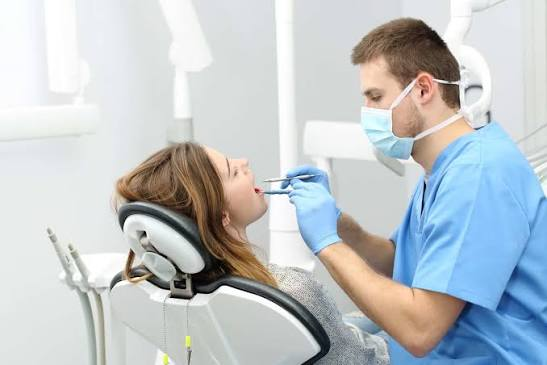
Choosing the right dentist is an important step toward maintaining healthy teeth, strong gums, and a confident smile. Regular dental visits help prevent oral health problems, identify potential concerns early, and provide guidance on maintaining good oral hygiene. However, with many dental professionals available, selecting someone who meets your needs can sometimes feel challenging. A trusted dentist offers more than treatments; they provide professional care, clear communication, and a comfortable environment where patients feel respected.
Understanding the qualities that distinguish an excellent dentist can help you make an informed decision. Whether you need routine checkups, cosmetic improvements, or specialized dental treatment, knowing what to look for will make the selection process easier.
1. Professional Qualifications and Experience
One of the first qualities to consider when selecting a trusted dentist is professional qualification. A dentist should have completed the required dental education and hold valid registration or licensing according to the regulations in their country. These credentials demonstrate that the professional has received the necessary training to provide dental care.
Experience is another important consideration. Dentists who regularly treat different dental conditions may be better prepared to recognize problems and recommend suitable treatment options. However, experience alone does not guarantee excellent care. Continuing education, practical skills, and a commitment to current dental standards are equally important.
If you need a specific procedure, such as orthodontic treatment, dental implants, or complex oral surgery, ask about the dentist’s training and experience in that area. A qualified professional should be willing to explain their background and help you understand whether your needs require a specialist.
2. Strong Communication Skills
Clear communication is essential for building trust between a dentist and a patient. A good dentist explains dental conditions in understandable language rather than relying entirely on complicated medical terminology. Patients should understand what is happening, why a treatment may be necessary, and what alternatives might be available.
During a consultation, pay attention to how the dentist responds to your questions. Do they listen carefully? Do they explain procedures patiently? Are they willing to discuss possible risks, benefits, costs, and expected recovery times?
A dentist who communicates effectively helps patients participate in decisions about their oral health. This approach can also reduce uncertainty and make dental appointments less stressful.
3. A Friendly and Patient-Centered Approach
Dental anxiety is common among children and adults. Some people worry about discomfort, while others feel nervous because of previous dental experiences. A trustworthy dentist recognizes these concerns and treats patients with patience and understanding.
Look for a professional who takes time to understand your concerns instead of rushing through appointments. They should explain procedures before beginning and check whether you feel comfortable during treatment.
Patient-centered care also means respecting individual preferences, medical history, and personal circumstances. A dentist should consider your needs when recommending treatment rather than applying the same approach to every patient.
When patients feel heard and respected, they are more likely to attend regular appointments and follow appropriate oral care recommendations.
4. High Standards of Hygiene and Safety
Cleanliness is a fundamental requirement in any dental clinic. Dental procedures involve close contact with the mouth, so proper infection prevention practices are essential for protecting patients and staff.
Observe whether the clinic appears clean and organized. Instruments should be appropriately sterilized, disposable items should be used when indicated, and staff should follow established hand hygiene procedures. Protective equipment and safe handling practices should also be part of routine care.
A professional dental team should be prepared to explain its sterilization and infection control procedures if you have questions. Do not hesitate to ask how instruments are cleaned or how the clinic prevents cross-contamination.
A well-maintained environment demonstrates attention to patient safety and reflects the clinic’s commitment to professional standards.
5. Comprehensive Dental Services
Another quality to consider is the range of services offered. Some patients need only routine examinations and cleanings, while others may require fillings, gum disease treatment, tooth replacement, or cosmetic procedures.
A dental clinic offering several services may make it easier to coordinate ongoing care in one location. Common services include preventive examinations, professional cleaning, cavity treatment, gum care, restorative dentistry, and advice about orthodontic or cosmetic options. Patients who need braces or other teeth-alignment treatments may benefit from consulting an orthodontist in Mason who can assess their needs and recommend suitable treatment options.
However, a clinic does not need to provide every possible service to be an excellent choice. What matters most is whether the dentist can meet your needs or refer you to an appropriate specialist when necessary.
Before choosing a dentist, consider your current concerns and possible future requirements. Selecting a professional with suitable capabilities can support consistent care over time.
6. Modern Equipment and Evidence-Based Techniques
Dental technology continues to improve how professionals examine, diagnose, and treat oral health conditions. Depending on the clinic, useful technologies may include digital dental X-rays, intraoral cameras, electronic patient records, and modern sterilization equipment.
These tools can help dentists collect information, explain findings, and plan treatment. Nevertheless, advanced equipment should support professional judgment rather than replace it.
A trusted dentist uses evidence-based techniques and recommends technology when it is appropriate for the patient’s condition. They should explain why a diagnostic test or procedure is needed instead of suggesting unnecessary services simply because the equipment is available.
It is also worth asking how the dentist keeps their knowledge up to date. Participation in continuing education and familiarity with accepted clinical guidelines can indicate a commitment to maintaining professional competence.
7. Transparent Pricing and Treatment Plans
Dental care costs can vary depending on the procedure, materials used, clinic location, and complexity of the case. A reliable dentist communicates financial information clearly before beginning non-emergency treatment whenever possible.
Ask for an explanation of the recommended procedures, estimated fees, and any additional costs that may arise. If multiple treatment options are available, the dentist should explain their advantages, limitations, and differences in cost.
Be cautious if a clinic pressures you to purchase expensive treatments without providing a clear explanation or reasonable opportunity to ask questions. Recommendations should be based on clinical needs, not unnecessary sales pressure.
Affordable care is important, but the lowest price should not be the only deciding factor. A better approach is to balance cost, professional qualifications, safety standards, and the suitability of the proposed treatment.
8. Positive Reviews and a Good Reputation
Patient feedback can provide useful information when comparing dental clinics. Online reviews may reveal patterns involving communication, appointment scheduling, staff friendliness, cleanliness, and overall patient experience.
Look beyond individual ratings and read several reviews from different sources. Repeated comments about respectful treatment, clear explanations, and organized appointments may offer helpful clues.
However, online reviews should not be treated as a guarantee of clinical quality. Some reviews may be incomplete, outdated, or based on personal expectations rather than measurable treatment outcomes.
You can also ask family members, friends, or healthcare professionals for recommendations. Combining personal referrals with independent research gives you a broader perspective when selecting a dentist.
9. Convenient Location and Reliable Appointment Scheduling
Consistency is essential for preventive dental care, so practical considerations should not be overlooked. A clinic located near your home, school, or workplace may make regular visits easier to manage.
Check the clinic’s opening hours, appointment availability, waiting times, and procedures for rescheduling. If you have a busy routine, flexible appointment options may be particularly helpful.
It is also worth asking how the clinic handles urgent dental concerns. Understanding whether the team offers emergency appointments or provides referrals for urgent situations can help you plan ahead.
Convenience should not replace professional quality, but a well-organized clinic can make it easier to maintain a regular dental care routine.
See also: How to Automate Your Business Processes
10. Commitment to Preventive Care
An excellent dentist focuses not only on treating existing problems but also on helping patients prevent future ones. Preventive care may include routine examinations, professional cleanings, gum health assessments, and personalized oral hygiene advice.
Your dentist should explain practical ways to care for your teeth at home, including brushing with fluoride toothpaste, cleaning between teeth, and limiting frequent consumption of sugary foods and drinks.
They should also consider your individual risk factors and recommend checkup intervals based on your oral health needs. Patients with certain dental conditions may require more frequent monitoring than others.
A prevention-focused approach can help identify concerns early and reduce the likelihood of more extensive treatment later.
Conclusion
Selecting a trusted dentist involves more than finding the nearest clinic or choosing the lowest-priced service. Professional qualifications, communication skills, patient-centered care, hygiene standards, transparent pricing, and a commitment to prevention all contribute to a positive dental experience.
Take time to research potential dentists, read patient feedback, ask relevant questions, and arrange an initial consultation when appropriate. Pay attention to whether the dentist listens to your concerns, explains treatment options clearly, and respects your decisions.
Ultimately, the right dentist is someone who combines professional competence with honesty, compassion, and a strong commitment to patient safety. By evaluating these qualities carefully, you can make a confident choice and establish a long-term relationship that supports healthier teeth, stronger gums, and better overall oral health.