Scenting gas in your home is an immediate cause for concern. Whether it is a faint whiff near the stove or a strong odour in the laundry, you must act quickly to ensure your family’s safety. Knowing the correct steps to take can prevent a minor leak from turning into a catastrophic event. Calling a licensed gas fitter in Brisbane is the safest way to resolve the issue, but your immediate actions before they arrive are critical. This guide outlines the essential safety protocols to follow the moment you suspect a gas leak, helping you manage the situation calmly and effectively while professional help is on the way.
Immediate Safety Actions: What to Do First
The very first step when you smell gas is to eliminate any potential ignition sources. Do not switch on or off any lights, appliances, or household items, as even a tiny electrical spark can ignite accumulated gas in the air. Avoid using matches, lighters, or candles, and do not start your car if it is parked near the property. Instead, immediately open all doors and windows to facilitate natural ventilation and help disperse the fumes. If it is safe to do so, locate your main gas isolation valve—usually found near your gas meter or LPG cylinders—and turn it to the off position. This action stops the flow of gas into your home, reducing the risk of further buildup.
Once you have taken these initial precautions, evacuate everyone from the property immediately, including your pets. Do not linger inside to pack belongings or search for the source of the leak yourself. Walk a safe distance away from the building before using your mobile phone to call for assistance. Contacting a qualified professional from a safe location ensures that an expert can assess the system without putting anyone in harm’s way. Taking these rapid, structured steps minimises the risk of a spark causing a fire.
Identifying the Signs of a Gas Leak
Gas providers add a distinctive chemical called mercaptan to natural gas and LPG to give it a sulfur-like smell, often compared to rotten eggs. However, relying solely on your sense of smell is not always enough. You should also watch for physical symptoms in your household members or pets, such as unexplained headaches, dizziness, nausea, eye irritation, or difficulty breathing. These signs often indicate that gas is displacing oxygen in the air.
Additionally, keep an ear out for unusual sounds near your gas appliances. A hissing or whistling noise near a connection point, regulator, or pipe is a strong indicator of a high-pressure leak. You might also notice visual clues, such as dying indoor plants, or bubbles forming in wet soil or puddles outside near your gas lines. If you notice any of these signs, treat the situation with the same urgency as a direct smell of gas. Do not attempt to diagnose or repair the leak yourself. Gas systems require specialised tools and training to handle safely. A licensed gas fitter in Brisbane has the expertise to locate the exact source of the leak using pressure tests and electronic leak detectors, ensuring a permanent and safe repair.
Understanding Plumbing and Gas Emergencies
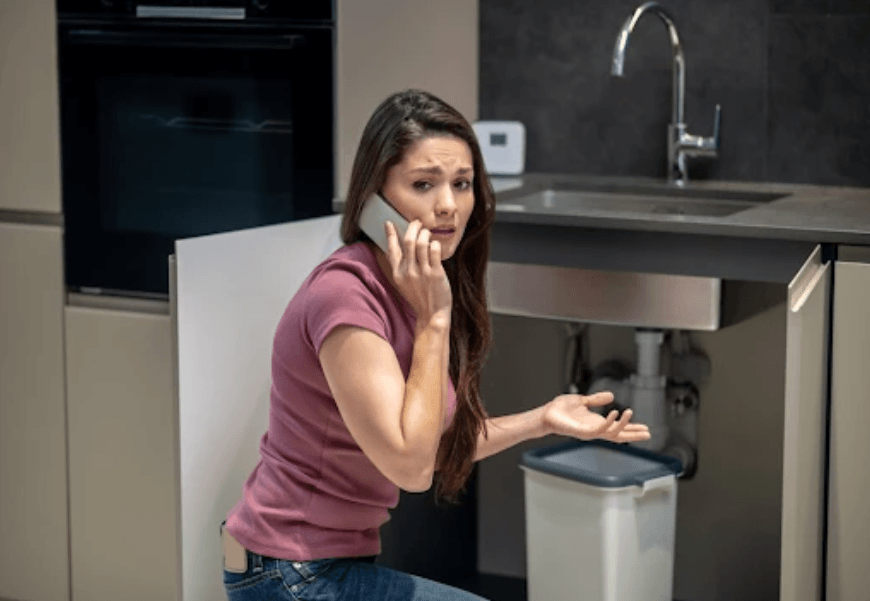
Many homeowners struggle to identify when to call for immediate assistance versus when a repair can wait until regular business hours. For instance, what is considered a plumbing emergency? Generally, any situation that threatens your safety, poses a health hazard, or risks causing severe property damage requires urgent attention. A gas leak falls squarely into this category due to the immediate risk of fire, explosion, or carbon monoxide poisoning.
Other examples of plumbing emergencies include burst water pipes that flood your living spaces, completely blocked sewer lines that cause waste to back up into your sinks or showers, and a total loss of hot water during cold winter months. In contrast, a dripping tap or a slow-draining basin can usually wait for a standard booking. When dealing with gas, however, there is zero room for delay. If you suspect a leak, you must treat it as an active emergency. Knowing the difference helps you allocate your resources wisely and ensures that emergency response teams remain available for those in genuine danger. If you reside in the outer northern suburbs, contacting an experienced plumber in Caboolture who offers rapid emergency response can help secure your home and protect your family from escalating hazards.
The Role of a Licensed Professional
Attempting to fix a gas leak or a severe plumbing issue yourself is highly dangerous and often illegal under Australian standards. Licensed professionals undergo years of rigorous training to handle volatile substances safely. Whether you need a gas specialist or a plumber in Caboolture, hiring a certified technician guarantees that the work complies with strict national safety codes. When a professional arrives at your property, they will first secure the area and verify that the gas supply is completely isolated.
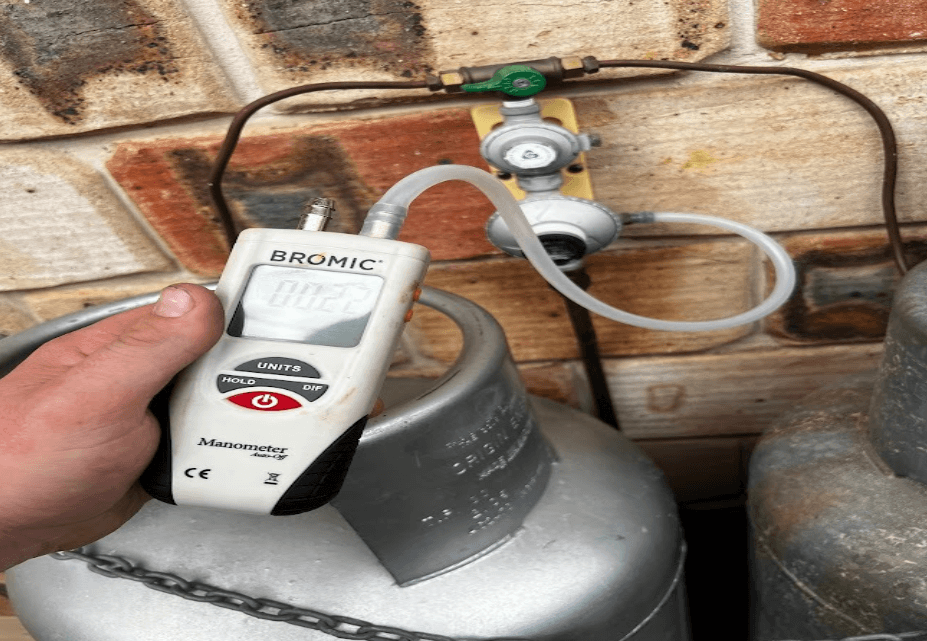
They use specialised diagnostic equipment, such as manometers to conduct pressure drop tests and bubble leak solutions to pinpoint the exact location of the breach. Once they identify the faulty pipe, valve, or appliance connector, they will replace the damaged components with high-quality, durable materials. After completing the repairs, the technician performs a thorough pressure test to verify that the system is entirely gas-tight before restoring your supply. They will also issue a compliance certificate, which is essential for insurance purposes and confirms that your gas system is safe for continued use. Relying on a qualified professional gives you peace of mind that your home remains safe.
See also: Client Service 101: Turning Satisfaction into Loyalty
Preventive Maintenance to Avoid Future Leaks
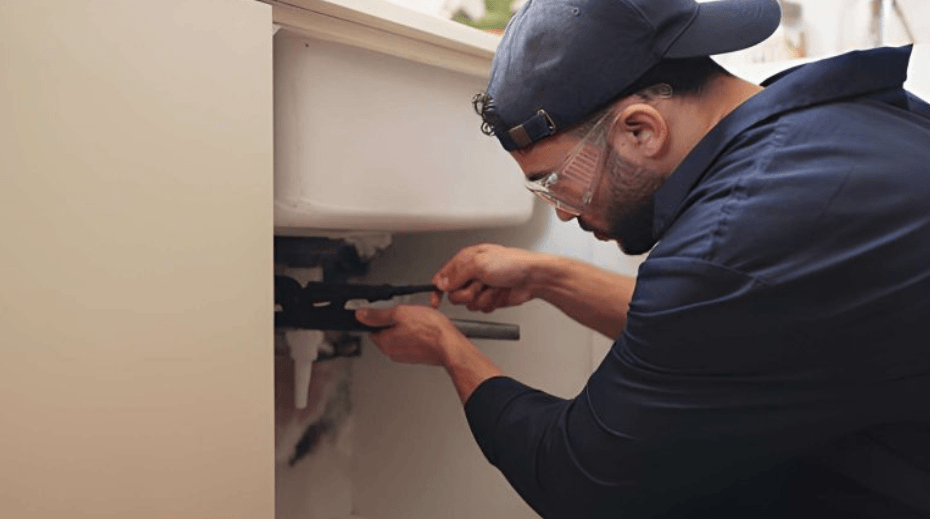
While knowing how to handle an emergency is vital, preventing gas leaks from occurring in the first place is always the best approach. Regular maintenance of your gas appliances and pipework significantly reduces the risk of unexpected failures. Homeowners should schedule an inspection with a professional at least once every two years. During these routine visits, a technician will check the integrity of your gas connections, inspect appliance burners, and ensure that ventilation paths are clear of obstructions.
You can also perform simple visual checks yourself between professional visits. For example, monitor the flame colour on your gas stovetop; a healthy gas flame should burn a crisp, steady blue. If you notice a yellow or orange flame, it suggests incomplete combustion, which can produce dangerous carbon monoxide gas. In such cases, turn off the appliance and seek assistance immediately. If you live in the Moreton Bay region, having a trusted plumber in Caboolture inspect your hot water systems and gas lines can prevent minor wear and tear from escalating into a costly emergency. Proactive care not only ensures your safety but also extends the lifespan of your appliances and improves their energy efficiency.
Conclusion
Scenting gas in your home is a serious situation that requires immediate, decisive action to protect your household. By understanding the immediate safety steps, recognising the signs of a leak, and understanding what is considered a plumbing emergency?, you can handle the situation with confidence and minimise potential hazards. Always prioritise safety by evacuating the premises and contacting a licensed gas fitter in Brisbane to resolve the issue. Regular maintenance and professional inspections remain your best defence against future gas-related emergencies, keeping your property safe and compliant. Do not take risks with gas; rely on qualified professionals to keep your home secure and functional.