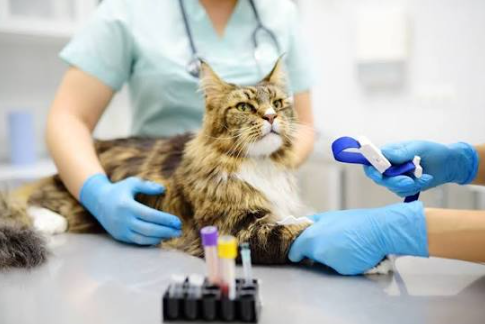
You already have enough on your mind when you are caring for a pet. One odd cough, a change in appetite, bad breath that seems worse than usual, and suddenly you are wondering if you missed something important. That worry is common, especially because pets cannot explain what hurts. Preventive care helps catch small problems before they turn into painful, expensive ones, and that is why many families rely on an animal hospital or a veterinarian in Louisville, KY for routine support, not just emergencies.
The most common preventive services are wellness exams, vaccinations, parasite prevention, and dental care. These services sound simple, but they do a lot of work behind the scenes. They help track your pet’s baseline health, lower the risk of disease, and give you a clearer picture of what your pet needs at each life stage. If you want a good starting point, the American Veterinary Medical Association pet care resources offer a helpful overview of routine care.
Routine wellness exams help animal hospitals catch problems early
A yearly checkup can feel easy to postpone when your pet seems fine. That is often when preventive care matters most. Dogs and cats are good at hiding pain, and many illnesses start quietly. Weight changes, dental disease, arthritis, skin issues, heart murmurs, and early kidney problems can develop long before there is an obvious crisis at home.
During a wellness exam, a veterinarian checks your pet from nose to tail, reviews behavior and diet, and may recommend bloodwork, fecal testing, or other screening based on age and risk. Puppies and kittens usually need more frequent visits. Senior pets often need closer monitoring because conditions can change fast in later years.
This is one of the most useful preventive veterinary services because it builds a record over time. If your pet starts drinking more water or slowing down on walks, those details mean more when your veterinary team already knows what is normal for them.
See also: What To Expect When Filing A Personal Injury Lawsuit
Vaccinations protect pets before exposure happens
Vaccines are one of the clearest examples of prevention doing its job quietly. You may never see the disease your pet avoided, and that is the point. Core vaccines protect against serious infections that can spread quickly and cause lasting harm. Non core vaccines may also be recommended depending on your pet’s age, travel, boarding habits, grooming visits, or time outdoors.
A young dog that visits parks, training classes, or daycare has different exposure risks than an older indoor cat. A vaccine plan should fit your pet’s life, not just a generic schedule. Cornell’s small animal community practice reflects the kind of broad preventive and routine care many pet owners use to stay ahead of avoidable illness.
Skipping vaccines to save money can backfire fast. Treatment for preventable infectious disease often costs far more than routine immunization, and recovery can be hard on both the pet and the family caring for them.
Parasite prevention lowers everyday health risks
Fleas, ticks, heartworms, and intestinal parasites are not rare problems. They are everyday risks, even for pets that spend most of their time indoors. Fleas can come in on shoes or other animals. Mosquitoes carry heartworm. Intestinal parasites may spread through soil, standing water, or contaminated surfaces.
Parasite prevention is one of the most practical services offered by an animal hospital because it protects more than comfort. It helps prevent skin disease, anemia, intestinal upset, tick borne illness, and in some cases serious heart and lung damage. Some parasites can also affect people, especially children, older adults, and anyone with a weakened immune system.
This is where regular testing matters. A pet can look normal and still have a parasite problem. Preventive medication and screening work best together.
Dental care prevents pain that pets often hide
Bad breath is easy to brush off as normal pet breath, but it often points to dental disease. Plaque buildup, inflamed gums, loose teeth, and oral infection can make eating painful long before your pet stops going to the food bowl. Many pets keep eating even when their mouths hurt, which makes dental problems easy to miss.
Routine dental exams, cleanings when needed, and home care guidance are a major part of pet preventive care at animal hospitals. The AVMA pet dental care guide explains how oral health affects comfort and overall wellness.
Dental disease does not stay neatly in the mouth. Ongoing infection and inflammation can affect the whole body. Treating it early is usually simpler than waiting until extractions or advanced treatment are necessary.
Preventive services cost less than delayed treatment in many cases
Many pet owners try to balance good care with a real budget. That tension is real. You want to do the right thing, but you also do not want to agree to every service without understanding the value. Preventive care works best when you see it as planned maintenance instead of an optional extra.
| Preventive Service | What It Helps Prevent | If Delayed |
|---|---|---|
| Wellness exam | Missed early signs of illness, weight issues, chronic disease | Problems may only be found after symptoms become severe |
| Vaccinations | Common infectious diseases | Higher risk of serious illness, isolation, and costly treatment |
| Parasite prevention | Fleas, ticks, worms, heartworm disease | Skin issues, internal disease, household spread, harder treatment |
| Dental care | Gum disease, tooth loss, oral pain | Infection, extractions, chronic discomfort, reduced quality of life |
The value of these common animal hospital services is not just medical. It is emotional too. Preventive care lowers the chance that you will be forced into rushed decisions during a health scare.
Simple steps make preventive pet care easier to manage
Schedule care by life stage. Puppies, kittens, seniors, and pets with chronic conditions usually need more frequent visits. Ask your veterinary team what schedule fits your pet now, not what worked three years ago.
Track small changes at home. Write down appetite changes, new lumps, bathroom issues, limping, coughing, bad breath, or shifts in energy. Those details help a veterinarian connect dots faster during a routine animal hospital visit.
Bundle prevention into one plan. Ask about combining exams, vaccines, parasite screening, and dental checks into a yearly care calendar. A clear plan makes costs more predictable and reduces the chance of missing something important.
Your pet depends on you to notice what they cannot say out loud. Preventive care is one of the most steady, practical ways to protect their comfort and health over time. Staying current with exams, vaccines, parasite prevention, and dental care gives you a better chance of avoiding bigger problems later. When you are ready, contact a trusted animal hospital and set up your pet’s next preventive visit.