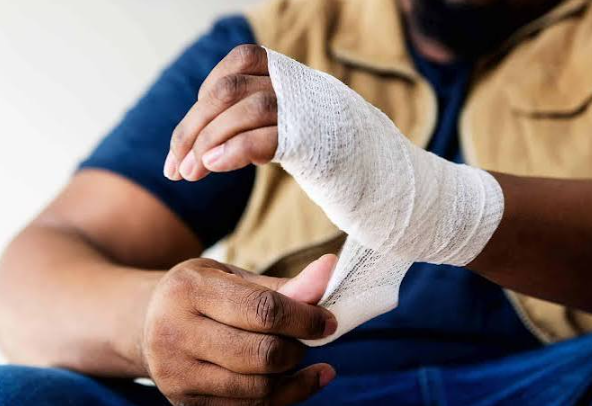
You may be dealing with pain, missed work, medical bills, and a stack of paperwork you never asked for. On top of that, people keep telling you to “file a claim” or “sue,” as if those words explain anything. They do not. If you are trying to understand what to expect when filing a personal injury lawsuit, you are probably looking for something simple and honest, and resources like quinnlawyers.com may help. The short version is this: a lawsuit is a formal legal process used to seek compensation after someone else’s carelessness caused harm, and it usually moves through investigation, filing, evidence gathering, negotiation, and sometimes trial.end
That process can feel personal even though the court treats it as procedure. Your injury affects your sleep, your job, your family, and your sense of control. The legal system focuses on proof, deadlines, and documents. That gap is often the hardest part. Knowing what comes next helps you make calmer decisions and avoid mistakes that can weaken your case.
Filing a personal injury claim starts with proof, not just pain
A lot of injured people assume their case is obvious. You were hit by a car, you slipped on a wet floor, or a property owner ignored a hazard. The injury is real, so the claim should be straightforward. The problem is that a lawsuit does not begin and end with your account. Civil cases are built on evidence, and the court wants facts that can be shown, not just described. The federal courts explain that civil cases are disputes between parties seeking money damages or other relief.
That means medical records matter. Photos matter. Witness statements matter. Bills, wage records, incident reports, and insurance communications matter. The legal system also looks at the elements of a case, which usually include duty, breach, causation, and damages. In plain terms, you need to show that someone had a duty to act with reasonable care, failed to do it, caused your injury, and left you with actual losses.
If any one of those pieces is weak, the other side will push on it. They may argue your injury existed before the accident. They may say you were partly at fault. They may claim your treatment was excessive or unrelated. That is why what to expect when filing a personal injury lawsuit includes more than filing papers. It includes building a case that can hold up under pressure.
See also: The Future Of Family And Cosmetic Dentistry: Tech, Comfort, And Personalization
The lawsuit timeline often feels slower than the injury itself
Most people expect movement once a claim is filed. They imagine a hearing, a quick review, maybe a settlement within weeks. Real cases rarely move that way. After the complaint is filed, the other side has time to respond. Then comes discovery, where both sides exchange information, request documents, and take depositions. If you want to see how court procedure can unfold step by step, the District of Massachusetts provides a useful step by step court filing guide.
This stage can be frustrating because it asks a lot from you while giving very little emotional closure. You may need to answer written questions, gather years of medical history, sit for testimony, and attend medical evaluations requested by the defense. If your injury already made daily life hard, this can feel like being asked to prove your pain over and over again.
Settlement talks often happen during this period. Many cases resolve before trial, but that does not mean the first offer is fair. Insurance companies and defense lawyers usually evaluate risk, cost, and evidence strength before increasing an offer. A strong case with clear liability and well-documented damages usually has more leverage than one built on assumptions.
Financial pressure shapes many personal injury cases
People do not file injury lawsuits because they want a legal fight. They file because the accident left a financial hole. Emergency care, follow-up treatment, physical therapy, prescriptions, travel to appointments, and time away from work add up quickly. If your injury affects your future earning ability, the stakes rise even more.
That pressure can lead to rushed decisions. You might be tempted to accept a low settlement because bills are due now. You might delay treatment because you are worried about cost, then face claims that you were not really hurt. You might try handling everything alone and miss a deadline or say something to an insurer that gets used against you later.
A personal injury case is not only about what happened on the day of the accident. It is about what happened after. If your back injury keeps you from lifting at work, if migraines make it hard to focus, or if anxiety keeps you from driving, those losses belong in the picture too.
Handling a personal injury lawsuit alone carries different risks
| Issue | Handling It Alone | Working With a Personal Injury Lawyer |
|---|---|---|
| Case valuation | You may focus only on current bills and miss future losses | Damages can include medical care, lost income, pain, and long-term impact |
| Evidence gathering | Records may be incomplete or collected too late | Evidence is organized to support liability and damages |
| Negotiation | Insurers may use quick offers or recorded statements against you | Communication is handled with strategy and documentation |
| Court rules and deadlines | Missing one filing date can damage or end a case | Procedural requirements are tracked and met |
| Stress load | You manage treatment, work, and the legal process at once | You have support while focusing on recovery |
Three steps you can take right away after deciding to pursue a claim
1. Gather every document tied to the injury. Start one file for medical records, bills, photos, wage loss information, accident reports, and insurance letters. Save emails and voicemails. Write down what happened while your memory is still fresh, including pain levels, missed work, and daily limits.
2. Follow your treatment plan consistently. Gaps in care can hurt both your recovery and your case. If a doctor refers you to imaging, therapy, or a specialist, go if you can. If money or transportation is stopping you, document that too. Silence leaves room for the other side to make its own story.
3. Speak with a personal injury lawyer before giving detailed statements or accepting money. Early advice can prevent mistakes that are hard to fix later. Even one conversation can clarify deadlines, case value, and whether filing suit makes sense in your situation.
Knowing what to expect makes the process less overwhelming
Filing a lawsuit after an injury does not erase what happened, and it does not move as fast as most people hope. It does give you a path to seek payment for the harm you are carrying. When you understand the need for evidence, the pace of litigation, and the financial pressure built into these cases, the process feels less confusing and more manageable.
If you are thinking about taking legal action, speak with a personal injury lawyer and get clear advice about your next step.