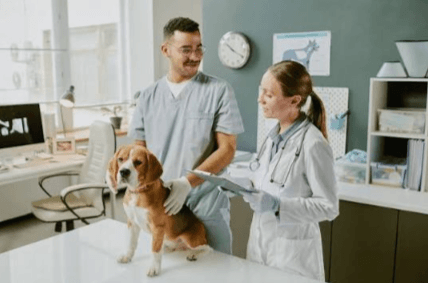
When your pet is sick, the difference between a small clinic and an animal hospital suddenly feels very personal. You are not comparing buildings or websites. You are trying to figure out who can help right now, who can run the right tests, and who can handle a problem that may be getting worse by the hour. That stress is real, especially when your pet cannot tell you what hurts. In moments like these, finding reliable West Hampton veterinary care can make all the difference.
The short answer is simple. Small clinics are often a good fit for routine care, basic illness, and preventive visits. An animal hospital usually offers a wider range of services for urgent, advanced, or complicated cases. The biggest differences often come down to emergency care, specialty treatment, advanced imaging, and surgical support. Those four services can shape outcomes, cost, and how fast your pet gets answers.
Emergency and critical care sets animal hospitals apart
A small clinic may be excellent at wellness exams, vaccines, skin issues, ear infections, and follow up care. The problem starts when your pet crashes after hours, has trouble breathing, suffers trauma, or starts seizing. In those moments, waiting until morning can feel impossible because it is. Emergency and critical care is one of the clearest ways an animal hospital stands apart from a smaller practice.
Animal hospitals are more likely to have teams, equipment, and monitoring for unstable patients. That can include oxygen support, IV pumps, blood pressure monitoring, overnight observation, and staff trained to respond fast when a pet declines. If there is a regional disaster or large scale animal emergency, resources from agencies such as the USDA APHIS animal emergencies program also show how serious emergency planning matters in veterinary care.
This difference affects more than convenience. If your dog is hit by a car or your cat stops urinating, minutes matter. A small clinic may stabilize and refer. An animal hospital may be able to diagnose, treat, and monitor in one place.
Specialty services give complex cases more options
Some cases stop being straightforward very quickly. A limp turns out to be a torn ligament. Vomiting becomes pancreatitis, then diabetes, then a longer hospital stay. A heart murmur needs a cardiology workup. A seizure needs neurology. This is where veterinary hospital services often go far beyond what a small clinic can provide.
Many animal hospitals either employ specialists or work closely with specialty departments. Services may include internal medicine, oncology, cardiology, neurology, dermatology, ophthalmology, and behavior care. Tufts offers a good example of the kind of when a case needs more than general practice.
That matters because complex problems rarely stay neatly in one box. A pet with cancer may need imaging, biopsy, surgery, and oncology follow up. A general clinic can recognize the problem and start the process, but an animal hospital can often keep the next steps moving without multiple outside referrals.
Advanced imaging and diagnostics shorten the guessing
You feel the strain when symptoms are vague. Your pet is not acting right, bloodwork is only part of the picture, and you are left wondering whether to watch and wait or push for more answers. Small clinics may have in house lab work and standard X rays. Animal hospitals often have broader diagnostic tools, and that can reduce delays.
Depending on the hospital, advanced diagnostics may include ultrasound, CT scans, MRI, endoscopy, echocardiography, and more extensive laboratory support. Teaching hospitals are a strong example of how broad that diagnostic reach can be. The shows the level of imaging, specialty, and referral care that larger hospital systems can provide.
That does not mean every pet needs advanced testing. It means the option is there when basic diagnostics are not enough. If your pet has a mass, hidden bleeding, spinal pain, or unexplained weight loss, better imaging can change a vague plan into a clear one.
See also: How to Automate Your Business Processes
Surgical and inpatient support changes what can be treated in one place
Routine spay and neuter procedures are common in many clinics. The gap widens when surgery becomes urgent, complicated, or tied to a larger medical issue. An animal hospital may be equipped for emergency abdominal surgery, orthopedic repair, mass removal with wider planning, pain management, anesthesia monitoring, and post operative hospitalization.
This matters when your pet cannot simply go home an hour later. A dog recovering from foreign body surgery may need fluids, pain control, repeat exams, and staff watching for complications. A cat with urinary blockage may need repeated monitoring after the procedure. A smaller clinic may do excellent surgery within its scope, but a hospital can usually support tougher recoveries under one roof.
Small clinics and animal hospitals serve different needs
There is no need to treat this as a contest. Small clinics are often the right choice for routine care, prevention, and many common illnesses. Animal hospitals step in when the case is unstable, specialized, or resource heavy. Knowing the difference before a crisis happens can save time, money, and panic.
| Service Area | Small Clinic | Animal Hospital |
|---|---|---|
| Emergency care | Limited hours, may stabilize and refer | Often equipped for urgent and critical cases, sometimes 24 hour care |
| Specialty treatment | Usually general practice only | May offer internal medicine, surgery, cardiology, oncology, and more |
| Diagnostics | Basic lab work and X rays common | May include ultrasound, CT, MRI, endoscopy, advanced lab support |
| Surgery and recovery | Routine procedures, limited inpatient monitoring | More advanced surgery, anesthesia support, and hospitalization |
Three steps help you choose the right veterinary care
1. Learn your regular clinic’s limits before an emergency. Ask what they handle in house, what they refer out, and where they send pets after hours. You do not want to start that search when your pet is in pain.
2. Keep one animal hospital option saved in your phone. Choose a hospital with the services your pet may realistically need. If your pet has heart disease, seizures, cancer, or chronic urinary problems, this matters even more.
3. Match the problem to the setting. Wellness visits, vaccines, mild skin problems, and routine follow ups often fit a clinic well. Breathing trouble, trauma, collapse, severe vomiting, blocked urination, or complex surgery needs point toward pet hospital services and higher level care.
The right care depends on what your pet needs today
You do not need to know everything about veterinary medicine to make a solid decision. You just need to know that small clinics and hospitals are built for different levels of care. Routine problems often do well in a clinic. Emergencies, advanced diagnostics, specialty treatment, and inpatient recovery are where animal hospitals stand apart.
If your pet’s condition feels serious, act on that instinct and contact an animal hospital that can evaluate the situation quickly.