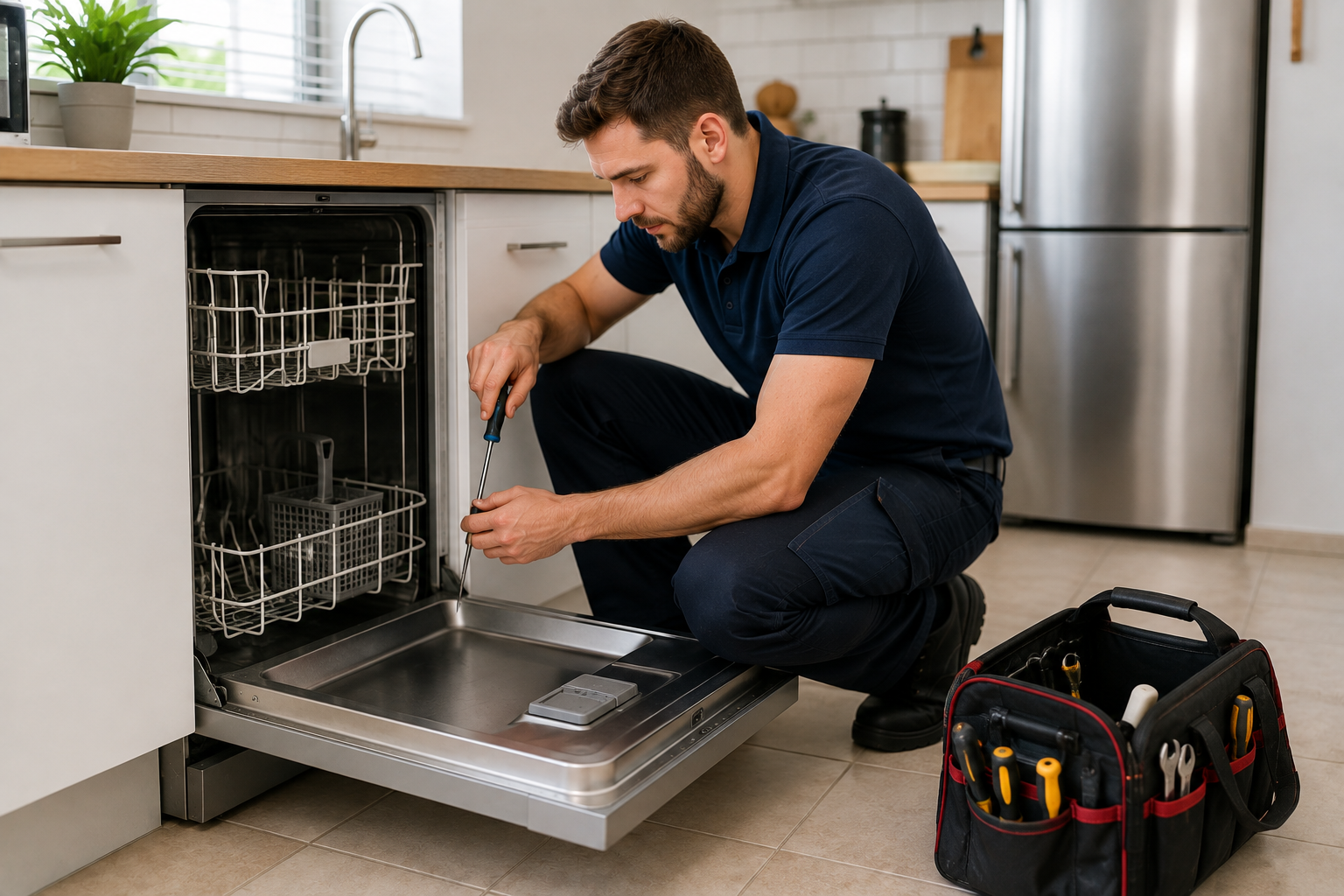
Household appliances have become an essential part of modern living. From keeping food fresh and preparing meals to washing clothes and cleaning dishes, these machines quietly support everyday routines. Most people barely think about how much they depend on them until something stops working. A refrigerator that suddenly loses cooling, a washing machine that refuses to spin, or an oven that no longer heats properly can quickly create inconvenience for an entire household. In these situations, professional Appliance Repairs can provide a practical way to restore functionality without immediately replacing valuable equipment.
For homeowners in Brisbane, dealing with appliance problems promptly can also help prevent smaller faults from developing into more complicated issues. Appliances contain interconnected mechanical, electrical, and electronic components, so a problem affecting one part can sometimes place additional strain on another. Choosing experienced Appliance Repair Brisbane services allows homeowners to have the problem properly assessed and make a more informed decision about whether repair or replacement is the better option.
Why Appliances Develop Problems Over Time
Even well-maintained household appliances experience wear as they age. Refrigerators may operate continuously for years, washing machines handle repeated cycles involving water and heavy loads, and ovens regularly experience high temperatures. These operating conditions naturally place stress on internal components.
Some problems develop gradually. A washing machine bearing may begin producing a faint noise that becomes louder over time. A dishwasher may slowly lose cleaning performance as filters or spray components become restricted. A refrigerator may start running for longer periods because airflow is reduced or a temperature-related component is no longer working efficiently. Common appliance problems reported by repair professionals include refrigerators not cooling properly, washers failing to drain or spin, dishwashers not cleaning or draining effectively, and ovens failing to heat as expected.
How an appliance is used can also influence its condition. Consistently overloading a washing machine, failing to clean dryer filters, allowing refrigerator ventilation areas to become dusty, or ignoring dishwasher maintenance can increase strain on equipment. Proper operation does not guarantee that an appliance will never fail, but it can help reduce unnecessary wear.
Environmental conditions can matter as well. Heat, moisture, dust, and restricted ventilation can affect appliance performance. This makes regular observation and maintenance an important part of keeping household equipment functioning effectively.
See also: Critical Asset Protection: Strategic Oil & Gas Security Solutions in Alberta
Recognising the Early Signs of Appliance Trouble
One of the most useful things a homeowner can do is learn how their appliances normally behave. When a familiar appliance suddenly begins sounding, smelling, heating, cooling, or operating differently, that change may be an early warning that something requires attention.
Unusual sounds are a common example. Grinding, knocking, buzzing, squealing, or rattling can indicate worn, loose, obstructed, or malfunctioning components. A washing machine that becomes extremely noisy during spinning may have a different problem from one that makes noise while draining, which is why the exact symptom matters when diagnosing the fault.
Water appearing around a washing machine, dishwasher, or refrigerator should also be investigated. A leak may originate from a hose, seal, pump, connection, drain, or another component. Leaving the problem unresolved may not only affect the appliance but could also expose nearby flooring or cabinetry to moisture.
Performance changes are another important signal. Food that no longer remains sufficiently cold, clothes that are still wet after spinning, dishes that remain dirty after a complete cycle, or an oven that takes unusually long to reach temperature can all indicate developing faults. Appliance repair sources consistently identify poor cooling, drainage problems, leaks, unusual noises, and inconsistent heating among common warning signs.
Paying attention to these changes can make it easier to arrange Appliance Repairs before a complete breakdown occurs.
Common Refrigerator and Freezer Problems
Refrigerators and freezers are particularly important because their performance directly affects food storage. When cooling becomes inconsistent, homeowners usually need to respond quickly.
A refrigerator that is running but not cooling effectively can have several possible causes. Airflow restrictions, dirty components, fan problems, thermostat issues, defrost faults, and sealed-system problems can all potentially affect temperature. Water collecting underneath or inside a refrigerator may also indicate a drainage or other technical issue.
Another common concern is excessive noise. Refrigerators naturally produce some operating sounds, but a new or unusually loud noise can indicate that a fan, compressor-related component, or another moving part needs attention. Ice accumulation where it should not normally occur can also point toward an airflow or defrost problem.
Because several different faults can produce similar symptoms, replacing parts without proper diagnosis may waste time and money. A technician can examine how the system is operating and identify which component is most likely responsible.
This is one reason professional Appliance Repair Brisbane can be useful when basic checks do not resolve a refrigeration problem. Accurate diagnosis helps homeowners understand whether the fault is relatively straightforward or whether a major component requires attention.
Washing Machine and Dishwasher Faults
Washing machines combine electrical systems, moving components, pumps, water connections, sensors, and drainage systems. When one part stops operating correctly, the symptoms can vary significantly.
A washing machine that does not drain may have an obstruction, drainage problem, or pump-related fault. A machine that fills and washes but does not spin correctly may involve a different set of components. Leaking can originate from seals, hoses, connections, or other areas, while excessive movement can sometimes be related to loading, positioning, or internal mechanical wear.
Dishwashers present similar challenges. Poor cleaning performance can gradually become noticeable, with dishes requiring additional washing even after a full cycle. Drainage problems may leave water inside the machine, while damaged seals or other faults can lead to leakage. Consumer Reports identifies cleaning, drying, drainage, control-panel, and leakage problems among common dishwasher complaints.
Basic maintenance can help with some issues. Keeping accessible filters clean and following manufacturer recommendations can support normal operation. However, recurring drainage, electrical, heating, or mechanical problems may require professional diagnosis.
A qualified approach to Appliance Repairs is particularly useful because the visible symptom does not always reveal the exact cause. Proper testing can help distinguish a maintenance issue from a component failure.
Oven, Cooktop and Dryer Repair Considerations
Cooking appliances operate under demanding conditions because they regularly generate substantial heat. Heating elements, temperature sensors, ignition systems, controls, and other components can wear or fail over time. An oven may stop heating completely, take too long to reach the selected temperature, or cook food unevenly.
Cooktops can also experience problems with burners, heating elements, ignition systems, or controls. Because these appliances can involve high-voltage electricity or gas, homeowners should be cautious about attempting complicated internal repairs without suitable knowledge.
Dryers have their own maintenance requirements. If clothes begin taking considerably longer to dry, airflow should be considered alongside possible heating or mechanical problems. A dryer may also produce unusual sounds when belts, rollers, bearings, or related moving components wear.
Simple maintenance, such as keeping accessible lint filters clean, can support dryer performance. However, recurring overheating, electrical symptoms, failure to rotate, or failure to heat may indicate a problem requiring further investigation.
Safety should always take priority. When an appliance shows signs of burning, sparking, electrical malfunction, gas-related problems, or other potentially dangerous behaviour, continued operation should be avoided until the situation has been properly assessed.
Why Professional Diagnosis Makes a Difference
Modern appliances are more technologically sophisticated than many older household machines. Electronic control boards, digital interfaces, sensors, automated programs, and specialised components are now common. This technology can improve convenience and efficiency, but it can also make fault diagnosis more complicated.
Professional technicians generally approach a problem by examining symptoms and testing possible causes rather than simply replacing the first component that appears suspicious. This matters because similar symptoms can originate from different faults. A washing machine that refuses to start, for example, might have a problem involving power, a door mechanism, controls, or another component.
Accurate diagnosis can therefore help avoid unnecessary part replacement. It also provides homeowners with better information when deciding whether an appliance is worth repairing.
Professional Appliance Repairs can be particularly valuable when a fault involves internal electrical systems, major mechanical components, gas connections, or complex electronics. Basic cleaning and maintenance may be suitable for homeowners, but technical work requires greater care. Safety guidance for appliance troubleshooting also commonly recommends disconnecting power before basic inspection and seeking professional assistance for more complex work.
Repairing an Appliance Versus Buying a Replacement
A breakdown often creates an immediate temptation to purchase a new appliance, but replacement is not always necessary. Several factors should be considered before making that decision.
Age is important because a relatively new appliance with one faulty component may still have considerable useful life remaining. Repairing it could be far more economical than replacing the complete unit. An older appliance with repeated major failures, however, may present a different situation.
The nature of the fault is equally important. Replacing a relatively minor component is very different from dealing with a major failure involving an expensive central part. Availability and cost of replacement components should therefore be considered alongside the appliance’s overall condition.
Previous reliability can also guide the decision. If an appliance has operated effectively for years and experiences its first repairable problem, repairing it may offer good value. If it has needed repeated attention and continues developing new faults, replacement may eventually become the more practical choice.
Energy and water efficiency can also influence the calculation. When a significantly older appliance needs an expensive repair, homeowners may want to compare the cost with the efficiency and features available in newer equipment.
A reliable Appliance Repair Brisbane service can assist by explaining the nature of the fault, allowing the homeowner to make the final decision based on practical information rather than guesswork.
Keeping Brisbane Household Appliances Working for Longer
The most effective approach to appliance ownership combines proper use, regular maintenance, early attention to warning signs, and sensible repair decisions. Appliances will naturally experience wear, but many problems become more disruptive when early symptoms are repeatedly ignored.
Cleaning accessible filters, maintaining ventilation, avoiding unnecessary overloading, checking seals, and following manufacturer instructions can all contribute to dependable performance. Homeowners should also become familiar with the normal sounds and operating patterns of their equipment. Changes are easier to identify when you know how the appliance usually behaves.
When a technical problem does develop, timely Appliance Repairs can help determine whether the equipment can be restored economically. Professional diagnosis is especially valuable because it identifies the underlying cause rather than focusing only on the visible symptom.
For Brisbane homeowners, choosing Appliance Repair Brisbane when professional attention is required can help minimise disruption and provide clearer options for dealing with malfunctioning household equipment. Repair will not always be the right choice, particularly for very old or extensively damaged appliances, but it can often extend the useful life of equipment that still has plenty of service left. By combining preventive care with informed repair decisions, households can keep essential appliances operating reliably while making better use of the money already invested in them.