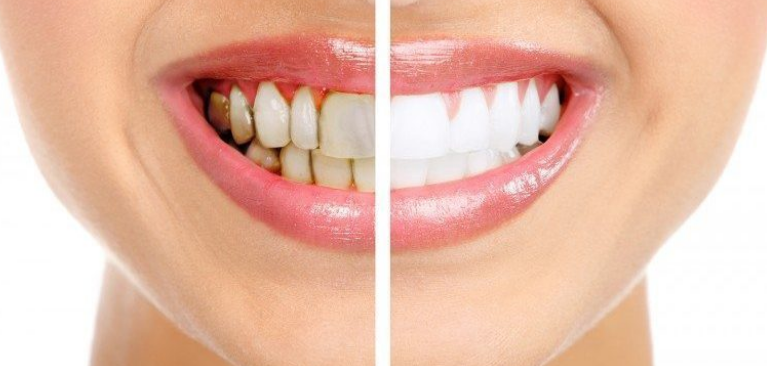
You catch your teeth in the mirror and notice it again. A brown line near the gums. White spots that were not there before. One tooth looks darker than the rest. It is easy to assume all stains are the same and that whitening is the answer, but the pattern matters as much as the color. The way a stain shows up on your teeth can point to habits, past treatment, early decay, enamel changes, or problems inside the tooth itself, which is why seeing a dentist in Moline, IL can help you understand the cause.
That is why what your dentist can learn from the pattern of tooth stains goes beyond appearance. A general dentist is not only looking at whether teeth are yellow or brown. They are looking at where the marks sit, whether they affect one tooth or many, whether they feel rough or smooth, and whether the color change started suddenly or built up over time. Those details help separate a surface stain from something that needs care.
Tooth stain patterns often reveal more than surface discoloration
Some stains come from coffee, tea, red wine, tobacco, or dark foods. These often collect in grooves, around the gumline, or between crowded teeth where plaque holds onto pigment. If your front teeth look darker near the edges or in the tiny pits on the chewing surface, your dentist may suspect external staining first. In many cases, a cleaning and polish can make a clear difference.
Other patterns raise different concerns. White chalky spots can signal enamel weakness or early mineral loss. Brown areas in those same spots may mean the enamel has been under stress for a while. The National Institute of Dental and Craniofacial Research explains that fluoride helps protect teeth by strengthening enamel and lowering the risk of decay. You can read more in this overview of fluoridation and enamel protection.
A single dark tooth tells a different story. If only one tooth turns gray, brown, or black, your dentist may think about old trauma, a dying nerve, or a failing filling. You may not even remember the injury. It could have been a sports hit years ago or a fall as a child. The stain becomes a clue that the inside of the tooth has changed.
Tooth discoloration patterns can also reflect childhood exposure to certain medicines, too much fluoride during tooth development, or enamel defects that formed before the teeth even came in. Those stains usually look more uniform and affect several teeth in a similar way. They are less about what you drank last week and more about how the teeth formed years earlier.
A dentist reads the location, color, and texture of stained teeth
Color matters, but it never tells the whole story by itself. Yellowing across many teeth is often linked to age, thinning enamel, or buildup. Brown stains commonly come from foods, drinks, tobacco, or decay. Black staining near the gumline can be tied to tartar, certain mouth rinses, supplements, or bacteria. White spots may point to demineralization, especially if they look matte instead of glossy.
Texture adds another layer. A smooth stain may sit on the surface. A rough or sticky area can suggest plaque, tartar, or a cavity starting to form. If the stain does not brush away and the enamel feels soft or catches an instrument during an exam, your dentist is thinking beyond cosmetics.
This is where people get stuck. You may buy a whitening strip for a stain that is actually decay, or scrub harder at a mark that needs a filling, not more brushing. That can waste money and irritate your gums without fixing the real issue. A dentist tooth stain evaluation helps sort out what is harmless, what is treatable in the chair, and what needs closer attention.
Professional evaluation and at home whitening do very different jobs
| Concern | At Home Whitening | Dental Evaluation and Treatment |
| Coffee or tea surface stains | May lighten some discoloration | Cleaning can remove buildup more fully and evenly |
| White spots from enamel weakness | Can make spots look more obvious | Can identify mineral loss and discuss fluoride or other care |
| One dark tooth | Usually does not fix the cause | Can check for trauma, nerve damage, or internal staining |
| Brown groove or gumline stain | May not reach the area well | Can tell the difference between stain, tartar, and decay |
| Stains from fillings, crowns, or aging dental work | No effect on the restoration itself | Can assess whether repair or replacement is needed |
MedlinePlus notes that tooth discoloration can come from many sources, including foods, medicines, injury, aging, and disease. Their page on tooth discoloration causes shows why a stain should not be judged by color alone. The same shade can come from very different problems.
That is the practical side of this. If the stain is only external, treatment is often simple. If the pattern suggests enamel damage or internal tooth changes, catching it early can spare you from bigger treatment later.
Small details in stained teeth can change the next step
You might notice that the stain gets darker after certain foods, or that it sits around an old filling, or that your child has bright white marks on new adult teeth. Each of those details matters. A stain around the edge of a crown may point to leakage or wear. Deep grooves that trap color may need sealants or closer cleaning. White patches on newly erupted teeth may lead to a conversation about mineral support, home care, and monitoring.
This is why a general dentist looks at patterns over time, not just a single snapshot. Photos, X rays, and a hands on exam all help connect the dots. The stain itself is only one part of the story.
Three steps you can take right away
Track the pattern. Take a clear photo in good light and note when you first saw the stain. Write down whether it is on one tooth or many, near the gums or on the edges, and whether it has changed. That history helps your dentist spot the cause faster.
Pause harsh whitening and scrubbing. If a stain is new, uneven, or limited to one area, stop trying to scrub it off. Abrasive toothpaste and overuse of whitening products can make sensitivity worse and may not help if the issue is decay, tartar, or internal discoloration.
Schedule an exam if the stain is persistent or unusual. A stain that stays after brushing, appears with pain or sensitivity, or affects one tooth deserves a professional look. The sooner the pattern is checked, the easier it is to decide whether you need a cleaning, fluoride support, whitening, or restorative care.
See also: How to Automate Your Business Processes
The pattern of tooth stains can guide the right treatment
Stains can feel embarrassing, and they can also be useful. They give your dentist clues about your enamel, your habits, and the health of each tooth. Some patterns point to simple surface buildup. Others signal early decay, worn dental work, or changes inside the tooth that should not wait.
If you have noticed a stain that looks different, spreads, or does not make sense, schedule a visit with a general dentist. Getting the pattern checked is often the fastest way to move from guessing to a clear plan.