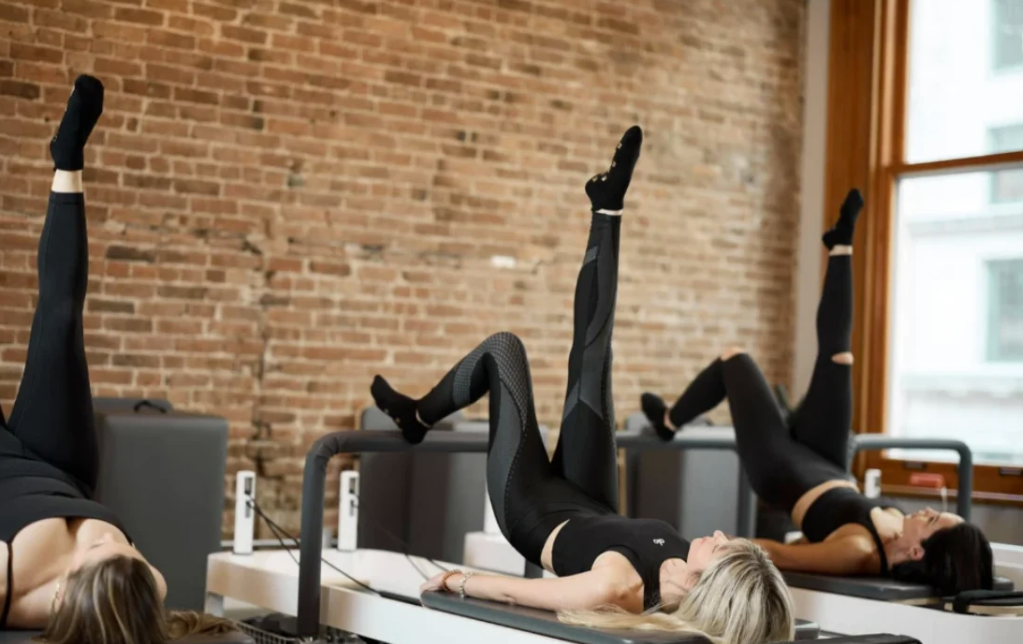
New York City offers countless ways to stay active, but Pilates continues to stand out for people who want more than a typical workout. Instead of focusing only on intensity, Pilates combines controlled movement, strength, flexibility, posture, balance, and body awareness. For beginners and experienced practitioners alike, choosing the right studio can make a significant difference in how effectively they learn and practice the method.
What Makes Classical Pilates Different?
Classical Pilates follows the original principles and exercise system developed by Joseph Pilates. The method emphasizes precision, control, concentration, breathing, and proper alignment. Rather than simply moving through a series of exercises, students learn how each movement connects to the rest of the body.
This approach can make Pilates particularly appealing to people who want to develop functional strength while improving coordination and movement quality.
See also: The Future of Quantum Technology
Why NYC Is a Great Place to Practice Pilates
New York has a diverse Pilates community, ranging from modern boutique studios to locations dedicated to classical instruction. This gives students plenty of options depending on their goals, schedule, and preferred training style.
For someone specifically interested in authentic classical instruction, searching for the best Romana’s Pilates NYC option can be a useful starting point. Romana’s Pilates preserves a teaching lineage connected to Joseph Pilates through Romana Kryzanowska, making it especially relevant for practitioners who want to study the traditional system.
What Should You Look for in a Pilates Studio?
Before joining a studio, consider the qualifications and experience of its instructors. Good instruction is especially important when learning classical Pilates because technique and precision are central to the method.
You should also consider whether the studio offers private sessions, group classes, introductory programs, or opportunities to progress to more advanced levels. A supportive environment can make it easier to develop consistency and confidence.
Location is another practical factor. A conveniently located studio is more likely to fit naturally into your weekly routine, which can help you maintain regular practice.
Private vs. Group Pilates Classes
Private sessions can be valuable for beginners who want personalized instruction and detailed corrections. They can also benefit experienced practitioners who want to refine their technique or work toward specific goals.
Group classes, on the other hand, provide a social environment and allow students to develop their skills alongside others. The best choice depends on your experience level, learning style, and fitness objectives.
Building a Consistent Pilates Practice
The benefits of Pilates are easier to appreciate when practice becomes consistent. Rather than treating each class as an isolated workout, focus on gradually improving control, alignment, strength, and mobility.
A quality instructor can help you understand the purpose behind each exercise and progress safely as your skills develop.
For New Yorkers interested in traditional Pilates, finding a studio that emphasizes authentic instruction, knowledgeable teachers, and a structured approach can be an important step toward building a long-term practice.
Final Thoughts
Choosing a Pilates studio is about more than finding the closest class or the most convenient schedule. Consider the teaching philosophy, instructor experience, class formats, and whether the studio’s approach matches your goals.
Whether you are completely new to Pilates or looking to deepen an established practice, classical instruction can provide a strong foundation for developing better movement, control, and body awareness.