There is a particular kind of letdown that nobody warns you about. The paint is dry, the room is tidy, the shade you spent two weekends finalising is up on the wall. And somehow, the room still feels like it is waiting for something. Nothing is wrong, technically. But nothing feels right either. The wall is just there, flat and unbothered and the whole space carries this unfinished energy that is genuinely hard to explain to someone who has not felt it.
That feeling, often, comes down to texture. Or rather, the absence of it.
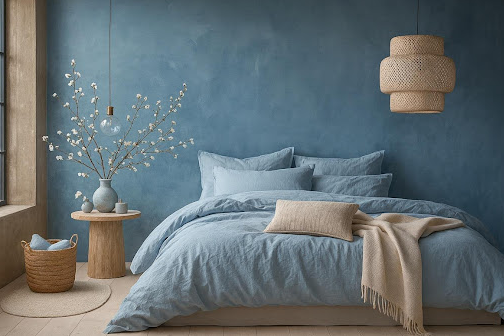
A wall colour texture gives colour something to work with. Without it, even a beautiful shade just lands on the wall and stops. With it, the same colour starts doing things. Light hits a textured surface and scatters instead of reflecting back in one flat sheet. Shadows settle into the low points, highlights sit on the raised ones and the wall quietly shifts character through the day without anyone touching it. Morning light reads differently from evening light on that surface. That kind of natural range is genuinely not possible on a flat finish, no matter how good the colour is.
Smooth walls were always the safe choice. Anything textured felt like commitment, or risk, or something reserved for feature walls in design magazines. That thinking is changing and honestly, it should have changed sooner.
Texture Is Not a Trend, It Is a Tool
The reason wall colour texture deserves more thought than it usually gets is because it is not just doing aesthetic work. It is doing structural visual work. It adds weight and dimension to a room that no amount of furniture or accessories can replicate. A single colour on a textured wall reads as layered, considered, almost curated. The same colour on a flat wall just reads as painted. In Indian homes where rooms often carry a lot of function in not a lot of square footage, that difference matters more than people realise.
The Part Everyone Skips and Regrets
Nobody really talks about primer until a wall starts misbehaving. And walls do misbehave when the groundwork is skipped. Skipping the interior wall primer paint feels completely reasonable in the moment, saves time, cuts a step, seems unnecessary. Then three months later the topcoat starts lifting at the edges and suddenly that saved hour has multiplied into a much larger problem.
Primer seals the surface, pulls back the alkalinity that cement plaster carries in Indian walls and gives the topcoat or texture coat something worth holding onto. Without it, the most carefully chosen wall colour texture starts reading patchy and uneven before the year is out. Not in any forgivable, characterful way. In the have-to-redo-it way.
Indian walls go through a lot across seasons. Monsoon humidity, dry summer dust, years of plaster sitting and building alkalinity underneath. An interior wall primer paint that genuinely handles all of that, while drying quickly enough to keep the project moving, is not a luxury step. It is just the right one.
See also: Echolalia Is Communication, Here’s How to Respond
What Makes a Textured Finish Feel Intentional
A finish that actually lives well is one that does not overcommit. Not clinical, not aggressively rough, not so industrial that the room stops feeling like somewhere a person lives. The wall colour texture should follow the light in the space, not fight it. Concrete-style finishes have found real staying power in Indian interiors recently and it is not hard to see why. They sit comfortably next to a carved wooden jhoola and equally well next to a clean modular sofa. No clashing, no competing. Just quiet, grounded presence.
What JK Maxx Paints Quietly Gets Right
JK Majesta Artisté Crete handles this well. The concrete wall colour texture it delivers feels thought-through rather than cold, industrial in the best sense without tipping into anything unwelcoming. It works on porous and uneven surfaces, which covers most older plastered walls in Indian homes, bridges hairline cracks that almost every such wall carries somewhere and resists algae and fungal growth without needing a separate product to back it up. The water-based formula is one of those things you stop noticing and start appreciating once you are in the room every day.
JK Maxx Paints’ Primera Interior Wall Primer is what sets all of it up properly. Strong sealing, superior whiteness that lets topcoat colours read exactly as intended, low-VOC formulation and fast drying. It does the job thoroughly and gets out of the way.
Let the Wall Do the Talking
Colour gets noticed first. Texture is what makes it stay interesting. Build both on the right foundation and the room stops being something you painted. It becomes something you designed.